Sibling compatibility can feel like a moving target: some days your kids are inseparable; other days, they’re at each other’s throats over the smallest things. The good news is that compatibility between brothers and sisters is not just a matter of luck or personality. There are clear, research-backed strategies you can use to reduce rivalry, resolve conflict, and nurture stronger, lasting bonds.
This guide blends expert insights from family psychology with practical tools you can use right away—whether your children are toddlers, tweens, or teens.
What is sibling compatibility, really?
Sibling compatibility isn’t about siblings never fighting or always liking the same things. It’s about:
- Being able to manage conflict without emotional damage
- Showing basic respect even when they disagree
- Feeling safe, supported, and valued in the relationship
In healthy sibling relationships, conflict still happens—but it leads to problem-solving and understanding, not resentment and distance. That’s the goal.
Key factors that shape compatibility include:
- Temperament differences (e.g., outgoing vs. cautious)
- Age gaps
- Birth order
- Parenting style and household rules
- Family stress (moves, divorce, financial pressure, etc.)
Understanding these factors helps you respond more effectively and avoid mislabeling conflicts as “personality clashes” that can’t be changed.
Why siblings fight: the real drivers of rivalry
Before improving sibling compatibility, you need to understand what’s really behind the fights. Common drivers include:
1. Competition for parental attention
Children are wired to seek the attention and approval of caregivers. When they sense that attention is scarce or unevenly distributed, rivalry intensifies. Even the perception of favoritism can be enough.
Signs:
- “You never listen to me.”
- “You always take her side.”
- One child “acting out” more when another child gets praise or privileges.
2. Temperament and personality clashes
One child may be high-energy and impulsive; another may be sensitive and easily overwhelmed. Without guidance, they can misread each other’s behavior:
- The active child sees the quiet one as “boring”
- The sensitive child sees the bold one as “mean” or “too much”
3. Developmental stages
A toddler’s grabbing, a tween’s sarcasm, or a teen’s need for privacy can all be normal for their stage—but deeply annoying to siblings. When parents don’t recognize these as developmentally expected, they may respond with blame rather than coaching.
4. Unclear boundaries and family rules
Inconsistent rules about sharing, borrowing, roughhousing, and personal space create constant gray areas where conflict thrives. Clear structure actually promotes freedom—by reducing friction over what is and isn’t okay.
The parent’s role in building sibling compatibility
You can’t control every interaction, but you have significant influence over the overall climate of sibling relationships.
Model the behavior you want them to use
Children learn conflict skills by watching you.
- Do you apologize when you’re wrong?
- Do you speak respectfully when frustrated?
- Do you listen without interrupting?
When you model calm problem-solving, you give your kids a template to copy during their own conflicts.
Avoid comparisons and labels
Comparing siblings (“Your brother never forgets his homework”) or assigning labels (“She’s the smart one,” “He’s the wild one”) drives wedges between them.
Instead:
- Focus on each child’s individual growth: “You worked hard on that project.”
- Avoid using siblings as benchmarks: praise efforts, not relative performance.
Practical strategies to reduce sibling rivalry
These tools directly support stronger sibling compatibility and can be adapted to any age group.
1. Create clear, shared family rules
Sit down together and co-create a short list of household rules that apply to everyone. For example:
- We do not hit, push, or physically hurt each other.
- We do not insult, threaten, or name-call.
- We respect personal space and privacy.
- We ask before borrowing.
Post the rules somewhere visible. Refer back to them during conflicts, which shifts conversations from “Who started it?” to “Which rule needs to be followed now?”
2. Give each child “ownership” over certain things and spaces
Constant sharing can fuel tension. Allow each child to have:
- A few special, non-shared toys or belongings
- A drawer, shelf, or corner that is “theirs”
- Clear expectations about what must be shared vs. what is private
This reduces daily friction and helps kids feel respected and secure.
3. Schedule one-on-one time with each child
Even 10–15 minutes of predictable, one-on-one connection can dramatically lower rivalry. During this time:
- Let the child choose the activity
- Avoid criticism, corrections, or lectures
- Put your phone away and offer full attention
Children who feel emotionally “filled up” compete less for scraps of your attention.
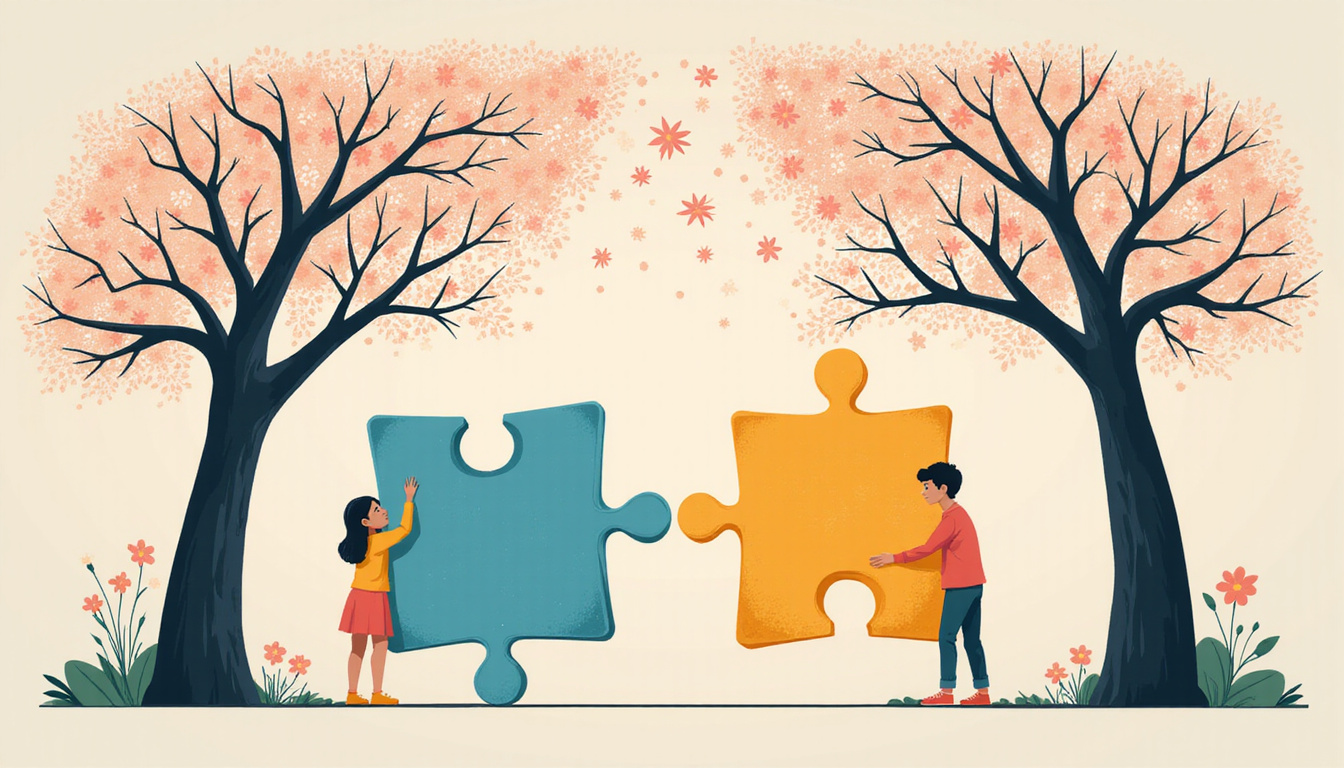
4. Make “team identity” a big deal
Help your kids see themselves as being on the same side:
- Give them a fun team name (e.g., “The Smith Squad”)
- Create shared goals (e.g., if they keep the living room toy-free for a week, you all do a special activity)
- Praise teamwork specifically: “I saw you helping your sister with her puzzle—that’s great teamwork.”
Over time, a strong team identity softens rivalry and increases cooperation.
How to handle sibling conflicts in the moment
Conflict will still happen. The difference is how you respond.
Step-by-step conflict coaching
Instead of jumping in as judge and jury, act as a coach.
-
Stay neutral
Avoid taking sides as soon as you walk into the room. Start with, “I see we have a problem here,” not “What did you do to your brother?” -
Check for safety
If there’s hitting, pushing, or serious yelling, calmly separate them:
“You two are too upset to solve this right now. Let’s take a break and then talk.” -
Help each child tell their side
One at a time, in short turns:- “Tell me what happened from your point of view.”
- Reflect back what you heard: “So you felt left out when…”
-
Name the feelings
“It sounds like you felt frustrated and ignored. You sound really angry.”Teaching emotional language reduces aggression over time (supported by child development research, e.g., the American Academy of Pediatrics: source).
-
Shift to problem-solving
Ask both: “What can we do to solve this so it’s fair?”
Encourage options; guide them toward reasonable solutions rather than imposing your own immediately. -
Agree on a plan and consequence
If rules were broken, consequences should be logical (not punitive for punishment’s sake). For example:- Fighting over a toy? The toy is put away for a set time.
- Name-calling? They repair with an apology and a kind act.
Over time, this process builds their own conflict-resolution skills—core to long-term sibling compatibility.
Age-specific tips: toddlers to teens
Toddlers and preschoolers
- Keep expectations realistic: sharing is a learned skill, not instinctive.
- Use simple language: “No hitting. Gentle hands.”
- Use turn-taking timers (2–5 minutes) for high-demand toys.
- Praise every small sign of kindness: “You gave your brother a block. That’s kind!”
School-age children
- Teach “I” statements: “I feel upset when you take my things without asking.”
- Encourage them to brainstorm solutions rather than waiting for you to fix everything.
- Use family meetings to address recurring issues (for example, “morning fights” or “video game arguments”).
Tweens and teens
- Respect their need for privacy and individuality.
- Let them opt out of some shared activities while still requiring basic courtesy.
- If conflict turns into sustained bullying, contempt, or emotional abuse, consider professional help—adolescence can bring serious mental health challenges that affect family dynamics.
Building deeper sibling bonds beyond conflict
Reducing conflict is only half of sibling compatibility. The other half is proactively building positive experiences and emotional connection.
1. Encourage shared experiences, not forced sameness
You don’t need them to like all the same things. Instead:
- Look for overlapping interests (e.g., both enjoy drawing, board games, cooking, or sports).
- Create rituals: Friday movie night, weekend pancake mornings, or a yearly “sibling day” outing.
- Rotate who chooses the activity, so each child feels seen.
2. Teach appreciation and recognition
Make it normal to notice and appreciate each other:
- At dinner, ask: “Did anyone notice something kind a sibling did today?”
- Encourage verbal appreciation: “Thanks for helping me with my homework.”
This shifts the mental focus from “What my sibling did wrong” to “What my sibling did for me.”
3. Support—but don’t over-script—the relationship
It’s tempting to step in constantly: “Be nice to your sister,” “Include your brother.” Guidance is helpful, but overly controlling their relationship can backfire.
Aim for:
- Setting boundaries and values (“In this family, we treat each other with respect.”)
- Letting them experiment with closeness, distance, and difference safely.
You’re creating the conditions for a strong bond—not micromanaging every moment.
When sibling incompatibility feels serious
Sometimes, sibling relationships go beyond ordinary rivalry. Red flags include:
- Persistent bullying (verbal, physical, or emotional)
- One child consistently afraid of another
- Extreme power imbalances (one always dominates or controls)
- Ongoing cruelty without remorse
In these cases:
- Increase supervision in shared spaces.
- Clearly label harmful behavior: “That is bullying. It is not allowed.”
- Seek professional support from a family therapist or child psychologist. Early intervention can prevent patterns from hardening into lifelong estrangement.
Quick-reference checklist: daily practices that boost sibling compatibility
Use this list as a compact guide for your everyday routine:
-
Do give each child regular one-on-one time.
-
Do praise cooperation and kindness, not just individual achievements.
-
Do enforce clear, consistent rules for respect and safety.
-
Do teach problem-solving and emotion words.
-
Do encourage shared projects and family rituals.
-
Don’t compare siblings or rank them.
-
Don’t always intervene as a referee; coach them instead.
-
Don’t ignore signs of bullying or fear.
-
Don’t expect them to be best friends all the time.
Small, consistent actions like these accumulate into major shifts in how siblings see and treat each other.
FAQ about sibling compatibility and rivalry
1. How can I improve sibling relationships when my kids seem totally incompatible?
Even when personalities clash, you can strengthen sibling relationships by focusing on skills rather than “chemistry.” Teach turn-taking, respectful language, emotional expression, and problem-solving. Provide structured time apart and structured time together. Over time, incompatible moments become more manageable, and mutual respect can grow even if they never become inseparable.
2. What is a healthy level of sibling rivalry vs. harmful sibling conflict?
A healthy level of rivalry includes occasional arguments, competition, and jealousy—followed by resolution and return to normal interaction. Harmful conflict involves fear, bullying, threats, or one child consistently feeling unsafe or demeaned. If conflicts escalate regularly or one child dreads being around another, it’s time to tighten boundaries and possibly consult a professional.
3. Can poor sibling compatibility in childhood lead to estrangement in adulthood?
Yes, prolonged, unresolved conflict in childhood can contribute to emotional distance later. However, it’s not inevitable. When parents help children repair after fights, encourage empathy, and avoid favoritism, they build resilience into the relationship. Many adults report that their strongest bonds with siblings emerged after they learned to understand and respect each other’s differences.
Turn rivalry into resilience—starting today
You don’t need perfect kids or a perfectly calm household to improve sibling compatibility. You only need a clear direction and small, consistent steps:
- Shift from referee to coach.
- Replace comparisons with individual recognition.
- Build shared rules, shared rituals, and a shared team identity.
Start by choosing just one strategy from this article—maybe scheduling one-on-one time, posting family rules, or coaching through the next argument instead of quickly assigning blame. As you put these tools into practice, you’ll not only reduce daily conflict; you’ll help your children build a relationship that can support them for the rest of their lives.
If you’d like personalized strategies tailored to your family’s ages and dynamics, consider reaching out to a licensed family therapist or parenting coach. Investing in your children’s relationship with each other is one of the most powerful gifts you can give them—and the best time to start is now.
Relationships involve psychology, emotions, and belief systems. Discover thoughtful articles on spirituality and human consciousness at SpiritualMindScience.com