House Systems Secrets Every Homeowner Needs to Cut Energy Bills
Cutting energy costs isn’t just about turning off lights or buying efficient appliances. The biggest savings usually come from understanding your house systems—the hidden networks that heat, cool, light, and power your home every day. When you know how they work (and where they waste), you can make smart upgrades that pay you back month after month.
Below, we’ll break down the key house systems, show you where energy commonly gets wasted, and outline practical, high-impact steps to shrink your bills without sacrificing comfort.
What Are “House Systems” and Why Do They Matter?
In energy terms, house systems are the interconnected parts of your home that consume and move energy:
- Heating and cooling (HVAC)
- Water heating
- Electrical and lighting
- Building envelope (insulation, windows, air sealing, roof)
- Ventilation and air quality systems
- Smart controls and monitoring
These systems don’t operate in isolation. A leaky building envelope forces your HVAC to run longer. Inefficient water heating raises gas or electric bills. Poor ventilation can trap humidity, making you feel hotter and turning up the AC.
If you want to cut energy bills significantly—20%, 30% or more—you need to look at how these house systems work together.
Start with the Big Three Energy Hogs
Most homes spend the bulk of their energy on three categories:
- Heating and cooling
- Water heating
- Appliances and lighting
Focusing on these first gives you the biggest bang for your buck.
Heating and Cooling: The Heart of Your House Systems
Your HVAC is often the largest single energy user in the home. Here’s how to optimize it without sacrificing comfort.
Tune Up Your HVAC (Before Replacing It)
Before rushing to buy a new furnace or heat pump:
- Get annual maintenance: A pro can clean coils, check refrigerant, test combustion safety, and calibrate controls.
- Change filters regularly: A dirty filter chokes airflow, making systems run longer and use more energy.
- Seal ducts: Leaky ducts can lose 20–30% of heated or cooled air before it reaches rooms (source: U.S. Department of Energy).
A relatively small investment in maintenance and duct sealing can claw back wasted energy and extend equipment life.
Consider a Heat Pump Upgrade
Modern heat pumps are among the most efficient house systems for space conditioning:
- They move heat instead of generating it, using less energy.
- “Cold-climate” models can work efficiently even in low outdoor temperatures.
- Many can provide both heating and cooling, replacing separate furnace + AC setups.
In many regions, incentives and rebates can cut thousands off the installation cost. If your HVAC is 10–15 years old, it’s worth getting a quote and doing a payback calculation.
Thermostats and Zoning: Stop Heating Empty Space
Smart controls can make your existing house systems much smarter:
- Smart thermostats learn your schedule, reduce heating/cooling when you’re away, and can auto-adjust based on weather.
- Zoned systems (or simple room-by-room controls) allow you to:
- Close off rarely used rooms
- Heat/cool bedrooms differently from living areas
- Reduce output to sun-exposed rooms that stay warmer anyway
Even without new hardware, adjusting setpoints a few degrees (e.g., slightly cooler in winter, warmer in summer) can shave 5–10% off your HVAC energy use.
The Building Envelope: Your Invisible Energy Shield
Your building envelope—insulation, windows, doors, roof, and air sealing—is the protective shell around your house systems. When it leaks, all your efficient equipment has to work harder.
Air Sealing: The Cheapest, Highest-Impact Fix
Uncontrolled air leaks are like having windows cracked open year-round. Common culprits:
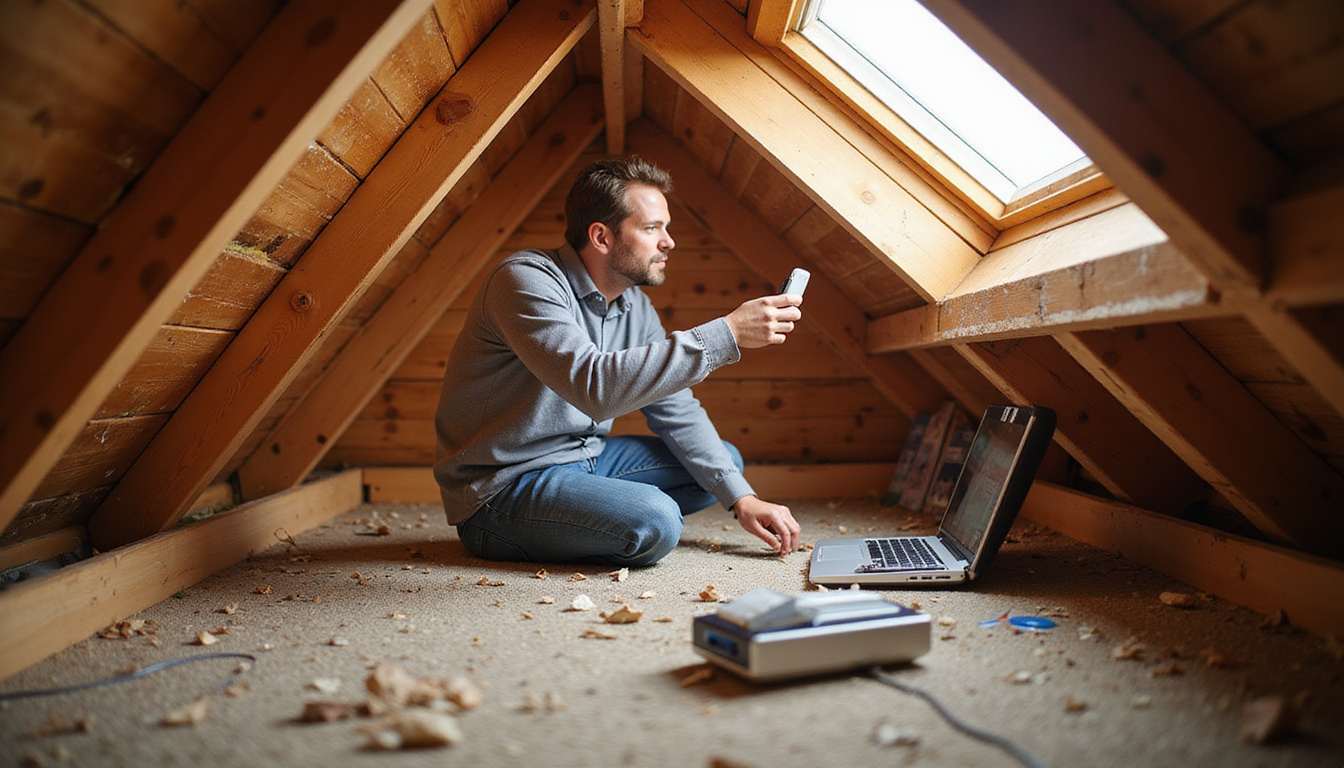
- Gaps around attic hatches and recessed lights
- Cracks around window and door frames
- Openings where plumbing, wiring, and vents pass through walls
- Chimneys and flues
Steps to take:
- Use caulk and foam sealant on visible cracks and penetrations.
- Add weatherstripping to doors and windows.
- Install gaskets behind switch and outlet plates on exterior walls.
- Consider a professional blower door test to find hidden leaks.
Air sealing often has one of the fastest paybacks of any energy upgrade.
Insulation: Target Attics and Rim Joists First
Insulation improvements can drastically reduce heating and cooling loads:
- Attic insulation: Often the highest-priority upgrade. Many homes have far less than recommended.
- Rim joists/basement/crawlspaces: Insulating and air sealing these can reduce drafts and cold floors.
- Walls: Harder to retrofit, but dense-pack insulation can be an option in drafty older homes.
The goal is to keep conditioned air inside and outside conditions out, so your house systems can work less to maintain comfort.
Windows: Improve Performance Without Full Replacement
New high-performance windows are expensive and may not always be the best first step. Try:
- Weatherstripping and caulking around existing frames.
- Cellular (honeycomb) shades for better insulation.
- Window films to reduce solar heat gain in hot climates.
- Storm windows to improve older single-pane units.
Addressing drafts and solar gain patterns can significantly ease the load on your HVAC.
Water Heating: The Silent Energy Drainer
Water heating typically accounts for 15–20% of home energy use. Optimizing this house system is often overlooked.
Easy, Low-Cost Fixes
- Turn down the thermostat: 120°F (49°C) is safe for most households and reduces standby losses.
- Insulate hot water pipes: Especially those running through unconditioned spaces.
- Install low-flow fixtures: Modern showerheads and faucets can feel just as comfortable while using less hot water.
- Repair leaks: Even slow drips waste surprisingly large amounts of heated water over time.
Consider a Heat Pump Water Heater
Heat pump water heaters can be 2–3 times more efficient than standard electric models (source: U.S. Department of Energy):
- They pull heat from ambient air to heat water.
- Best suited to basements, garages, or utility rooms with enough space and mild temperatures.
- Some models offer hybrid modes for high-demand situations.
If your water heater is over 8–10 years old, getting quotes for a heat pump replacement is worth your time.
Electrical, Lighting, and Appliances: The Everyday Energy Users
Electrical house systems are where many small inefficiencies add up.
Lighting: Easy Savings with LEDs
- Replace remaining incandescent or halogen bulbs with LEDs.
- Choose warm color temperatures (2700–3000K) for living spaces and higher (4000K) for task lighting.
- Use dimmers and motion sensors in less-frequented areas like halls or closets.
LEDs use up to 75% less energy and last much longer than traditional bulbs (source).
Appliances: Focus on Usage and Replacement Timing
- Refrigerator: One of the biggest continuous loads. If yours is 15+ years old, an ENERGY STAR model can dramatically reduce consumption.
- Laundry: Wash with cold water when possible and air-dry when convenient.
- Dishwasher: Run full loads; “eco” modes usually use less water and energy.
- Phantom loads: Electronics and chargers that use power even when “off.” Use advanced power strips or unplug rarely used devices.
When replacing appliances, check independent ratings and energy labels, not just marketing terms.
Ventilation and Indoor Air Quality: Efficient, Not Excessive
Healthy homes need fresh air—but too much uncontrolled ventilation can waste energy.
Balance Fresh Air with Efficiency
- Exhaust fans: Use bathroom and kitchen fans while cooking or showering, but don’t leave them running for hours.
- Mechanical ventilation: In tighter homes, consider energy recovery ventilators (ERVs) or heat recovery ventilators (HRVs) that exchange heat between outgoing and incoming air.
- Humidity control: Dehumidifiers, especially in basements, can be energy-intensive. Address moisture sources (leaks, drainage, ventilation) to reduce runtime.
Smart ventilation complements other house systems: it preserves indoor air quality without forcing your HVAC to work overtime.
Smart House Systems: Use Data to Find Hidden Waste
Smart technology isn’t just a buzzword—it can reveal patterns you’d otherwise miss.
Smart Thermostats and Sensors
- Automatically adjust temperatures when you’re asleep or away.
- Provide reports on runtime, which can highlight when equipment is working too hard.
- Support “geofencing” to change settings based on your phone’s location.
Energy Monitors and Smart Plugs
- Whole-home energy monitors (installed in your panel) show real-time consumption by circuit or even by device.
- Smart plugs reveal the load from individual devices and allow remote shutoff.
This visibility often leads to behavior changes and targeted upgrades: you see exactly which house systems are draining your wallet.
Prioritizing Upgrades: Where to Start for Maximum Savings
Not every home needs the same improvements. A logical order:
- Get an energy audit. A professional home energy assessment (often subsidized by utilities) uses tools like blower doors and infrared cameras to pinpoint losses.
- Fix the envelope first. Air sealing and insulation reduce the workload on all mechanical house systems.
- Optimize existing equipment. Maintenance, controls, and minor repairs can capture “low-hanging fruit.”
- Plan equipment replacements. Don’t wait for major systems to fail. Evaluate heat pumps, heat pump water heaters, and efficient appliances in advance.
- Layer in smart controls. Use smart thermostats, power strips, and monitors to fine-tune your setup.
By tackling improvements in this order, you amplify the effects of each investment.
Quick Checklist: High-Impact House Systems Actions
Use this list to identify your next steps:
- Schedule an HVAC service and change air filters.
- Seal obvious air leaks around windows, doors, and attic access.
- Add or top up attic insulation if levels are low.
- Install a smart thermostat and set energy-conscious schedules.
- Replace remaining incandescent bulbs with LEDs.
- Turn down water heater temperature to ~120°F and insulate hot pipes.
- Fix dripping faucets and test low-flow showerheads.
- Use advanced power strips for TVs, game consoles, and office equipment.
- Consider quotes for a heat pump (space conditioning) or heat pump water heater.
- Ask your utility about rebates and a professional energy audit.
Even doing a handful of these can make a noticeable difference in your bills.
FAQ About House Systems and Energy Savings
Q1: How do integrated house systems reduce energy bills more than single upgrades?
When house systems—HVAC, insulation, windows, and controls—are designed to work together, each upgrade magnifies the others. For example, better insulation reduces heat loss so your HVAC runs less, allowing you to downsize equipment and save more over the long term.
Q2: What are the most cost-effective home systems to upgrade first?
Typically, air sealing and attic insulation offer the best payback, followed by optimizing HVAC controls (smart thermostats and zoning) and upgrading to LED lighting. Once the building envelope is improved, upgrading core home systems like HVAC and water heaters yields even greater benefits.
Q3: Are smart house energy systems really worth the investment?
For many households, yes. Smart thermostats, energy monitors, and advanced power strips can quickly identify waste and automate savings. They’re especially effective when paired with efficient mechanical systems and good insulation, because they help you fine-tune how and when energy is used.
Turn Your House Systems into a Silent Savings Engine
Every month you delay upgrading inefficient house systems is a month you send extra money to your utility company. Yet you don’t need a gut renovation or a full tech overhaul to see results. Strategic steps—sealing air leaks, tuning your HVAC, dialing in your water heater, and adding smart controls—can transform your home into a quiet, comfortable, energy-saving machine.
If you’re ready to cut your energy bills, start by walking through the checklist above, and consider booking a professional home energy audit to uncover your home’s specific opportunities. Then, take action on the top two or three improvements this season. With each smart upgrade, your house systems will work harder for you—and your energy bills will steadily shrink.
This guide explored astrology and zodiac meanings. To discover the psychology, consciousness, and scientific perspectives behind spiritual beliefs, visit SpiritualMindScience.com.