In modern astrology, Chiron compatibility is becoming just as important as Sun sign or Venus sign compatibility. While traditional synastry looks at romance, attraction, and long‑term potential, Chiron goes deeper: it reveals where we’re wounded, how we heal, and how we can become catalysts for each other’s growth. Understanding how Chiron operates between two charts can help you transform recurring relationship patterns into opportunities for profound healing and connection.
What Is Chiron in Astrology?
Chiron is an asteroid (often called a centaur) discovered in 1977 and nicknamed the “Wounded Healer.” In mythology, Chiron was a wise teacher and healer who could not heal his own wound. Astrologically, Chiron symbolizes:
- Your core wound or a deep sensitivity
- The place where you feel “not enough” or fundamentally different
- A lifelong healing journey and the unique medicine you offer others
Unlike personal planets (Sun, Moon, Venus, Mars, Mercury), which describe everyday personality traits and behavior, Chiron points to the tender spots under the surface—patterns that can shape your relationships in powerful but often subtle ways.
The Basics of Chiron Compatibility in Synastry
In synastry (chart‑to‑chart comparison), Chiron compatibility looks at how one person’s Chiron interacts with the other person’s planets, angles, and points. These interactions highlight where you may:
- Trigger each other’s old wounds
- Facilitate or block each other’s healing
- Feel strangely “fated” or deeply familiar, even if you just met
Chiron compatibility doesn’t always feel easy or romantic at first glance. Instead, it tends to show where relationships become deeply meaningful—places where you grow through vulnerability, compassion, and sometimes painful honesty.
Key synastry questions involving Chiron:
- Does one person’s Chiron contact the other’s Sun, Moon, Venus, or Mars?
- Are there strong Chiron aspects to the Ascendant or Descendant?
- Is Chiron involved in tight conjunctions, squares, oppositions, or trines?
The closer the aspect (especially within 0–3 degrees), the more noticeable the effect.
How Chiron Aspects Show Up in Relationships
Each type of Chiron aspect describes a different flavor of healing (and hurt). These are broad tendencies; how they play out depends on sign, house, and each person’s level of self‑awareness.
Chiron–Sun Aspects: Identity and Self-Worth
When one person’s Chiron aspects the other’s Sun:
- The Sun person may feel exposed, judged, or vulnerable around the Chiron person.
- The Chiron person might see right through the Sun person’s defenses and ego masks.
- Over time, both can help each other accept who they really are—beyond roles and expectations.
This can be a powerful teacher‑student dynamic, and sometimes there’s a sense that the relationship changes how you see yourself forever.
Chiron–Moon Aspects: Emotional Wounds and Attachment
Chiron to the Moon touches early emotional experiences, family patterns, and attachment styles:
- The Moon person may feel their emotional needs resurface in intense ways.
- The Chiron person can either soothe or accidentally re‑ignite old childhood pain.
- Done consciously, the relationship becomes a safe container for emotional reparative experiences.
These partnerships often involve tears, deep talks, and a sense of being emotionally “seen” like never before.
Chiron–Venus Aspects: Love, Value, and Attraction
When Chiron connects with Venus, themes of love, beauty, and self‑worth are highlighted:
- The Venus person may feel unlovable or insecure at times, especially if they fear rejection.
- The Chiron person tends to bring up questions like: “Do I deserve love just as I am?”
- There can be intense attraction, but also fear of loss or abandonment.
Healthy Chiron–Venus compatibility can rewrite limiting beliefs about love and help both partners establish more compassionate standards for relationships.
Chiron–Mars Aspects: Anger, Desire, and Assertion
Chiron aspects to Mars expose wounds around anger, sexuality, and assertiveness:
- The Mars person may feel guilty or ashamed for being direct, sexual, or competitive.
- The Chiron person can feel triggered by conflict or pursuit.
- The relationship asks: How can we act on desire and anger without hurting each other?
These aspects offer a chance to learn healthy boundaries and more honest, respectful conflict resolution.
Chiron and the Relationship Axis (Ascendant/Descendant)
Aspects to the Ascendant (ASC) and Descendant (DSC) are major in Chiron compatibility:
- Chiron–Ascendant: The Chiron person sees the other’s persona and vulnerabilities right away. There’s often an immediate sense of familiarity and exposure.
- Chiron–Descendant: The Chiron person embodies a “wounded partner” archetype. The relationship may be transformative, but sometimes feels karmic or intense.
These connections can feel like destiny, but they also demand emotional maturity and clear boundaries.
Positive vs. Challenging Expressions of Chiron Compatibility
Chiron aspects are not “good” or “bad” in themselves. They can play out in growth‑oriented or destructive ways depending on how consciously each person handles their own pain.
Constructive Chiron compatibility looks like:
- Honest conversations about past hurt and current triggers
- Taking responsibility for your own healing instead of blaming your partner
- Supporting each other’s growth without trying to “fix” each other
- Setting clear boundaries around what is and isn’t acceptable behavior
Difficult expressions can look like:
- Re‑enacting childhood wounds with each other (e.g., emotional neglect, criticism)
- One partner becoming the perpetual “healer” and the other the “broken” one
- Staying in harmful dynamics because the connection feels “fated” or “karmic”
- Using wounds as an excuse for harmful behavior
The aim isn’t to avoid Chiron contacts, but to work with them consciously.
How to Work with Chiron Compatibility in Your Relationship
Understanding your Chiron synastry can be a turning point. It gives language to recurring friction points and offers a roadmap for healing together.
Here’s a practical way to approach it:
- Identify key Chiron aspects. Use a reliable astrology site or professional astrologer. Look for Chiron aspects within a 3° orb (especially conjunctions, squares, oppositions, trines).
- Name the shared wounds. Is it rejection (Aquarius), abandonment (Pisces/4th house), criticism (Virgo/6th house), control (Scorpio/8th house)? Naming the theme reduces shame.
- Share your stories. Each of you can talk about how this wound has shown up in past relationships, family, or work. Listen without fixing or defending.
- Create repair rituals. Decide together how you’ll respond when the wound is triggered—e.g., taking a time‑out, using a safe word, or writing things down before talking.
- Seek external support if needed. Chiron themes can be deep; therapy, somatic work, or couples counseling may be helpful. The American Psychological Association has a useful therapist locator tool (source: APA).
This process transforms Chiron aspects from unconscious pain points into shared healing projects.
Chiron in Composite Charts: The Relationship’s Wound
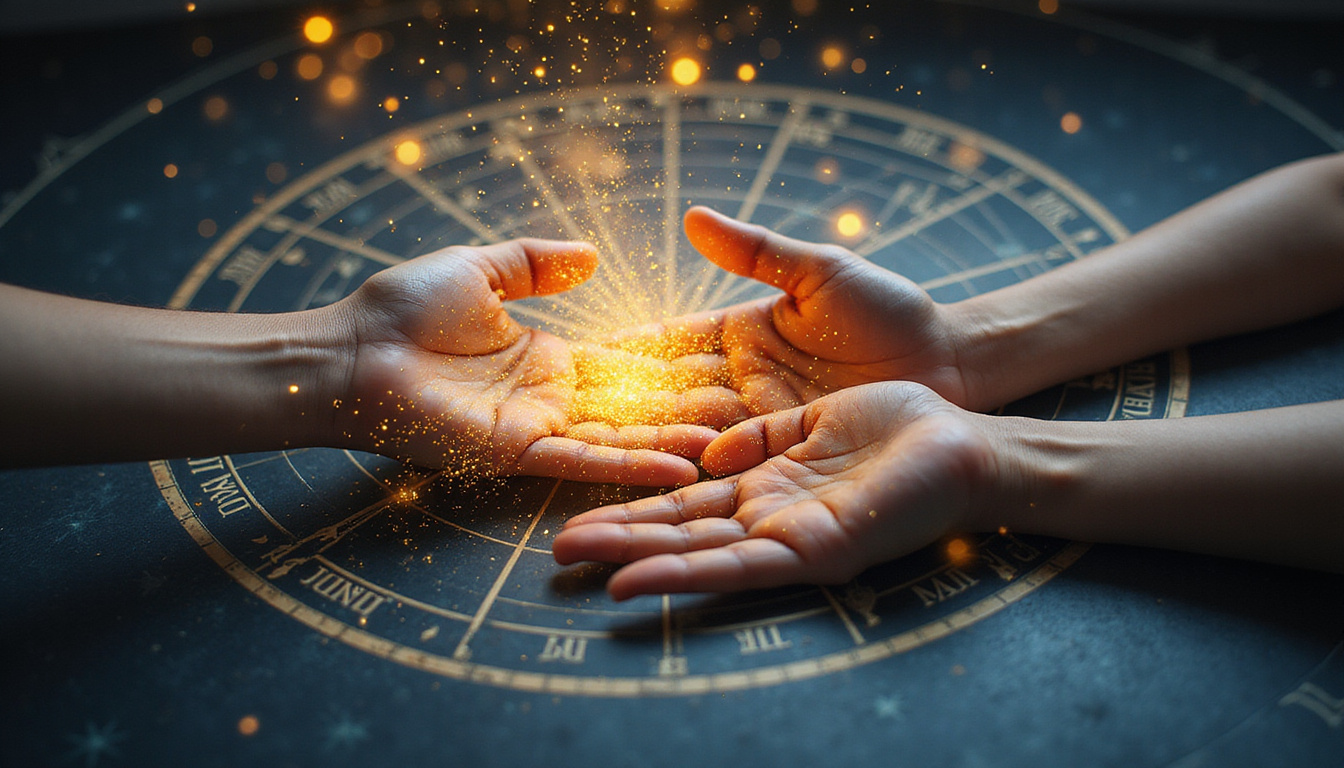
In addition to synastry, you can examine Chiron in your composite chart, which blends two birth charts into a single “relationship chart.”
- Composite Chiron’s sign: The overall style of the relationship’s healing journey.
- Composite Chiron’s house: The life area where the couple faces their major challenges and growth.
- Aspects to composite Chiron: How strongly the wound and healing theme shows up between you.
For example, composite Chiron in the 7th house might suggest that partnership itself is a deep learning arena—this relationship asks you to confront patterns of codependency, mistrust, or uneven power dynamics, and to build a healthier model together.
Common Chiron Compatibility Themes by Sign
While full interpretation always relies on the whole chart, certain Chiron sign placements tend to repeat similar patterns in relationships.
Chiron in Aries:
- Wound around identity, courage, or “right to exist.”
- In relationships: fear of taking initiative, sensitivity to criticism of your choices.
Chiron in Taurus:
- Wound around self‑worth, security, or body image.
- In relationships: money, stability, and physical affection become big themes.
Chiron in Gemini:
- Wound around communication, intelligence, or being heard.
- In relationships: triggers around being interrupted, dismissed, or “talked over.”
Chiron in Cancer:
- Wound around family, nurturing, and emotional safety.
- In relationships: high sensitivity to emotional withdrawal and perceived coldness.
Chiron in Leo:
- Wound around being seen, special, or creatively expressed.
- In relationships: fear of being overshadowed or unappreciated.
Chiron in Virgo:
- Wound around perfectionism, service, or health.
- In relationships: over‑functioning, caregiving, or feeling perpetually “not good enough.”
Chiron in Libra:
- Wound around partnership, fairness, and balance.
- In relationships: patterns of codependency, people‑pleasing, or fear of conflict.
Chiron in Scorpio:
- Wound around trust, intimacy, and power.
- In relationships: intense jealousy, fear of betrayal, or secrecy.
Chiron in Sagittarius:
- Wound around beliefs, truth, or life path.
- In relationships: clashes over values, honesty, and future vision.
Chiron in Capricorn:
- Wound around success, authority, or responsibility.
- In relationships: control issues, over‑working, or feeling unsupported.
Chiron in Aquarius:
- Wound around belonging, uniqueness, or community.
- In relationships: feeling “too weird” or fearing you’ll be abandoned if you show your true self.
Chiron in Pisces:
- Wound around boundaries, spirituality, or sacrifice.
- In relationships: falling into savior/victim roles, or losing yourself in the other.
Knowing each partner’s Chiron sign helps you see why certain topics feel disproportionately painful and how you can respond with more empathy.
Healthy Practices for Navigating Chiron Compatibility
To harness the healing potential of Chiron compatibility, it helps to adopt relationship habits that support vulnerability and growth:
- Name patterns instead of blaming. “Our Chiron dynamics are being triggered” is less accusatory than “You’re overreacting.”
- Normalize repair. Conflict is inevitable; what matters is how quickly and kindly you repair after.
- Hold space, don’t fix. Ask: “Do you want comfort, solutions, or just for me to listen?”
- Stay curious. When you’re triggered, ask yourself: “Is this about now, or is this an old story resurfacing?”
- Honor limits. Healing doesn’t mean tolerating mistreatment. If Chiron aspects come with consistent disrespect or abuse, safety must come first.
These practices help create the trust required to work with Chiron’s intensity rather than be overwhelmed by it.
FAQ: Chiron Compatibility and Healing Relationships
1. Is Chiron compatibility more important than Sun sign compatibility?
Not necessarily more important, but differently important. Sun sign compatibility shows general personality fit, while Chiron compatibility highlights deep healing and pain points. A couple can have great Sun sign chemistry but struggle if their Chiron contacts are harsh and unconscious. Ideally, you look at both.
2. Can strong Chiron synastry indicate a soulmate or twin flame connection?
Strong Chiron aspects can feel “soul‑level” because they touch your deepest wounds and growth edges. Some people experience this as soulmate or twin flame energy. However, intensity alone doesn’t guarantee a healthy relationship. The quality of the connection depends on emotional maturity, communication, and boundaries—not just astrology.
3. What does it mean when my Chiron conjuncts my partner’s Venus or Moon?
Chiron conjunct Venus or Moon is classic for Chiron love compatibility: you’re likely to experience powerful emotional or romantic bonds that bring up old insecurities around love, care, and worthiness. If both partners are willing to do inner work, these aspects can be life‑changing, helping each person experience a more compassionate, secure style of loving.
Turn Wounds into Wisdom: Use Chiron Compatibility to Build Lasting Love
Understanding Chiron compatibility doesn’t doom you to pain; it gives you a map. The aspects that hurt the most are often the same ones that, when handled consciously, bring the deepest intimacy, trust, and growth. Instead of wondering why the same arguments keep repeating, you can see the pattern, name it, and choose a different response together.
If you’re ready to transform your relationships, start by exploring your Chiron synastry: pull up both charts, note the key Chiron aspects, and have an honest conversation about how these themes show up between you. If you want deeper guidance, consider working with a skilled astrologer or therapist who understands astrological symbolism.
Your wounds don’t have to run your love life. By working with Chiron as an ally rather than an enemy, you can unlock profound healing—for yourself, your partner, and the relationship you’re building together.
Relationships involve psychology, emotions, and belief systems. Discover thoughtful articles on spirituality and human consciousness at SpiritualMindScience.com