Understanding temperament compatibility can change the way you see yourself, your partner, friends, and even co‑workers. When you grasp why people react, feel, and decide so differently, everyday tensions start to make more sense—and become easier to handle. Instead of taking things personally or feeling misunderstood, you gain language and tools to build healthier, happier relationships with the people who matter most.
What Is Temperament—and Why Does It Matter?
Temperament is your natural, inborn style of responding to the world. It shapes:
- How you handle emotions
- How quickly you react
- How you recharge (alone vs. with people)
- How you like to make decisions
Personality is influenced by upbringing, culture, and experiences, but temperament is the baseline wiring you’re born with. That’s why two children raised in the same home can be completely different.
Temperament compatibility describes how well two people’s natural styles fit together in daily life. It doesn’t mean being identical; it means having differences that can work in harmony instead of constant friction.
The Four Classic Temperaments (And How They Interact)
Different models exist, but one of the simplest and oldest ways to understand temperament is via the four classic types. Most people are a mix, but usually one or two are dominant.
1. Sanguine – The Enthusiast
- Outgoing, warm, expressive
- Loves people and new experiences
- Easily excitable, easily bored
- Can be disorganized or inconsistent
In relationships: Brings fun, energy, and spontaneity—but may struggle with routine, follow‑through, or serious talks.
Best compatibility: Often balances well with more grounded types who can offer stability while appreciating their warmth.
2. Choleric – The Driver
- Decisive, goal‑oriented, confident
- Natural leader, action‑focused
- Straightforward, sometimes blunt
- Can be impatient or controlling
In relationships: Brings direction, ambition, and protection—but may overshadow quieter partners or struggle with emotional nuance.
Best compatibility: Does well with partners who value their drive but can set healthy boundaries and slow them down when needed.
3. Melancholic – The Deep Thinker
- Thoughtful, analytical, detail‑focused
- Sensitive and loyal
- Values structure and standards
- Can be pessimistic or perfectionistic
In relationships: Offers depth, care, and reliability—but may overthink, worry, or be easily hurt.
Best compatibility: Often works well with encouraging, optimistic types who respect their need for order and reassurance.
4. Phlegmatic – The Peacemaker
- Calm, patient, steady
- Avoids conflict; easygoing
- Good listener; supportive
- Can be indecisive or passive
In relationships: Brings stability, acceptance, and harmony—but may bottle up feelings or avoid hard conversations.
Best compatibility: Pairs successfully with more driven or expressive partners who appreciate their calm presence and gently encourage participation.
Why Temperament Compatibility Feels Like “Chemistry”
When people talk about “instant chemistry,” they’re often feeling the effects of temperament compatibility without knowing it. For example:
- Two extroverts (often Sanguine or Choleric) may instantly click over energy and shared pace.
- Two introverts (often Melancholic or Phlegmatic) may bond over depth, comfort, and low‑pressure time together.
- An organized planner may feel safe with another structured planner—or completely fascinated by a carefree opposite.
In long‑term relationships, though, chemistry isn’t enough. You also need the ability to:
- Resolve conflicts
- Negotiate needs
- Support each other’s growth
That’s where understanding temperament compatibility becomes a powerful tool instead of just something you “feel.”
Common Temperament Pairings: Strengths and Stress Points
No pairing is “perfect” or “doomed.” Every combination has gifts and challenges. Here are some common dynamics:
Sanguine + Melancholic
Strengths:
- Sanguine brings playfulness; Melancholic brings depth and stability.
- They can balance optimism with realism.
Stress points:
- Sanguine may see Melancholic as “too serious” or critical.
- Melancholic may feel Sanguine is unreliable or superficial.
Key skill: Practicing empathy—Sanguine slows down to listen; Melancholic makes room for fun and imperfection.
Choleric + Phlegmatic
Strengths:
- Choleric leads and drives; Phlegmatic calms and supports.
- Highly effective team when roles are respected.
Stress points:
- Choleric may see Phlegmatic as “too passive.”
- Phlegmatic may feel pushed, bulldozed, or unheard.
Key skill: Choleric learns to invite input; Phlegmatic practices speaking up before resentment builds.
Similar + Similar (e.g., Two Cholerics, Two Melancholics)
Strengths:
- Deep understanding of each other’s needs
- Shared pace, preferences, and priorities
Stress points:
- Two Cholerics: Power struggles, stubbornness.
- Two Melancholics: Overthinking, mutual negativity spirals.
- Two Sanguines: Fun but chaotic; can ignore logistics.
- Two Phlegmatics: Peaceful but stuck; avoidance of hard issues.
Key skill: Recognizing when your shared strengths become shared blind spots and consciously balancing them.
How to Assess Temperament Compatibility in Your Relationship
You don’t need a clinical test to start exploring temperament compatibility. Use these practical steps:
-
Notice energy levels.
Who recharges alone vs. with people? Who prefers a slow morning vs. instant action? -
Observe emotional style.
Who expresses feelings openly? Who withdraws or processes internally? -
Track decision‑making.
Who decides quickly vs. who needs time and data? Who likes structure vs. flexibility? -
Review conflict patterns.
Who pursues discussion? Who avoids it? Who raises their voice? Who shuts down?
From these patterns, you’ll start recognizing dominant temperament traits and the ways they collide or complement each other.
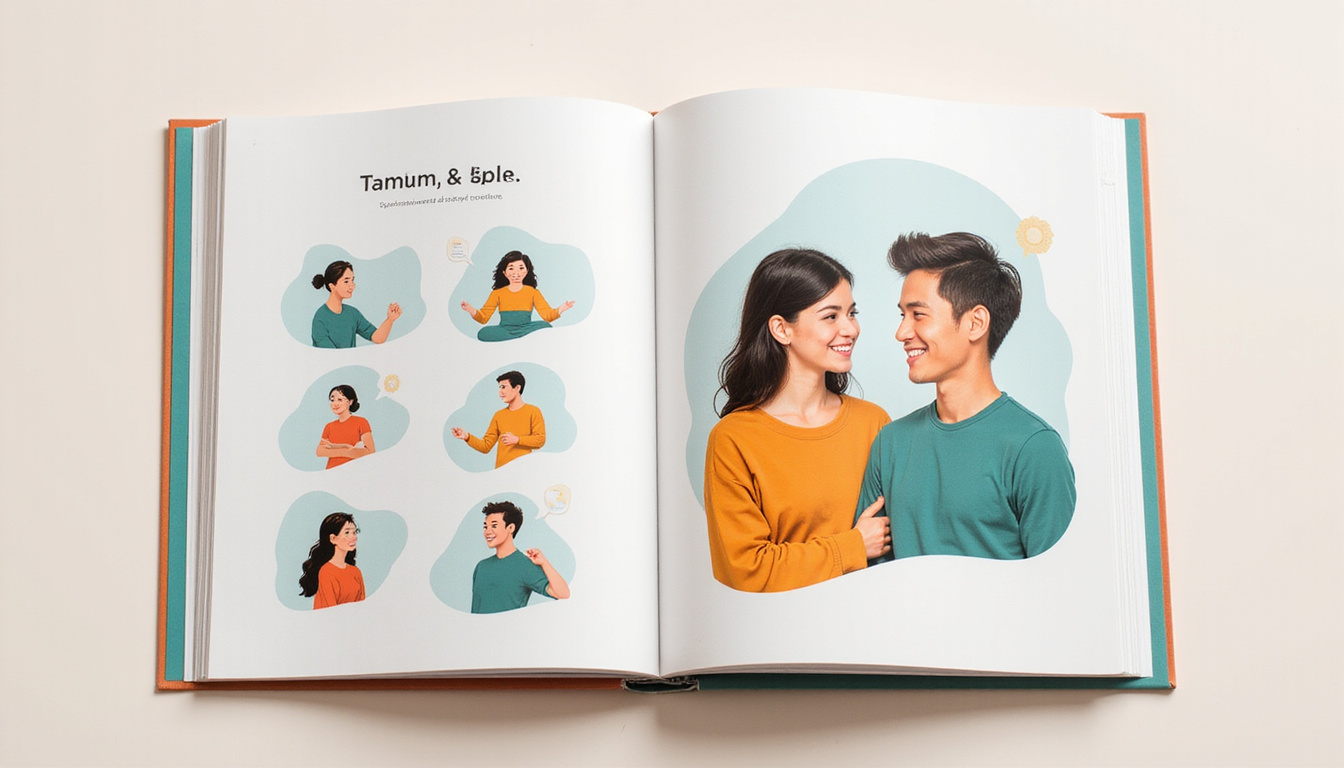
For more formal insight, models like the Big Five personality traits (tested and validated in psychological research) also help you understand individual differences and compatibility (see the American Psychological Association’s overview of personality traits: APA – source).
Turning Temperament Differences into Strengths
Temperament compatibility is not about finding a clone of yourself. It’s about:
- Understanding your wiring
- Understanding your partner’s wiring
- Building bridges instead of walls
Here are key strategies for making different temperaments work together.
1. Translate, Don’t Judge
When your partner reacts in a way that confuses or annoys you, pause and mentally translate it as temperament, not character.
- “They’re so disorganized” → “They’re imaginative and flexible; structure isn’t natural for them.”
- “They never speak up” → “They value harmony and safety; conflict is genuinely stressful for them.”
You can still have boundaries and preferences—but you stop labeling each other as “wrong.”
2. Share Your Operating Manuals
Talk openly about your temperament patterns:
- “When I’m stressed, I need space, but it doesn’t mean I’m rejecting you.”
- “When I’m excited, I talk a lot and jump into decisions quickly; I need you to help me slow down kindly.”
The more explicit you are, the less your partner has to guess—and the fewer misunderstandings happen.
3. Negotiate Energy and Space
Opposite temperaments often struggle with different needs for stimulation and solitude:
- The social type may want constant outings, calls, and guests.
- The quieter type may feel exhausted and crave downtime.
Instead of arguing about who’s right, treat it like a logistics problem:
- Agree on social “caps” per week or month.
- Plan solo recharge time for the introvert.
- Plan intentional people time for the extrovert.
You’re not compromising on love, just on schedule and format.
4. Balance Speed and Caution
A common compatibility issue: one partner moves fast (decisions, risks, changes), the other is careful and slower.
- Fast partner: Practice waiting and checking in before acting.
- Cautious partner: Practice making small, low‑risk decisions more quickly.
Create rules like: “For big decisions, we always sleep on it” or “For small decisions under $50, either person can decide alone.”
5. Plan for Conflict in Advance
Some temperaments argue loudly and then feel better. Others feel deeply shaken by raised voices or abrupt confrontation.
Set ground rules suited to your combination:
- No name‑calling or character attacks
- Time‑outs are allowed and respected
- Commit to returning to the issue within an agreed timeframe
Respect that conflict style is part of temperament compatibility and adjust the process of arguing, not just the content.
A Quick Temperament Compatibility Checklist
Use this list to reflect on your current or potential relationship. Circle or note where you align or clash:
- Our energy levels feel: similar / complementary / constantly misaligned
- Our social needs feel: balanced / one‑sided / source of resentment
- Our decision speeds are: similar / workable / frustrating
- Our emotional expression is: mutually understandable / confusing / overwhelming
- Our conflict styles are: compatible / sometimes tense / totally opposite
- Our daily routines (sleep, work, orderliness) are: synced / adjustable / chaotic
Where you see repeated friction, look for underlying temperament differences and address those directly.
Temperament Compatibility in Friendships and Work
This isn’t just for romantic partnerships. Temperament compatibility matters everywhere you interact with people.
In Friendships
- Sanguine/Choleric friends often bond over activities, challenges, and shared goals.
- Melancholic/Phlegmatic friends often connect over meaningful conversations, stability, and shared values.
Recognizing temperament helps you choose the right expectations:
- Some friends are great for deep talks.
- Some are your go‑to for adventure.
- Some are perfect for calm, low‑pressure hangs.
Not every friend needs to meet every need.
At Work
- Choleric and Sanguine types often thrive in leadership, sales, or fast‑paced roles.
- Melancholic types shine in research, planning, and quality control.
- Phlegmatic types are invaluable in roles requiring patience, mediation, and consistency.
Teams work best when they intentionally mix temperaments and respect what each brings, rather than expecting everyone to behave the same.
FAQs About Temperament Compatibility
1. How do I know if my temperament is compatible with my partner’s?
You’re experiencing good temperament compatibility when:
- You can be yourself without constant criticism
- Conflicts are manageable, even if frequent
- Your strengths are appreciated, not attacked
- Differences feel interesting or useful more often than they feel threatening
If every small interaction feels like a battle over pace, priorities, or emotional needs, that’s a sign of significant temperament mismatch that requires attention and communication.
2. Can two very different temperaments still have a healthy relationship?
Yes. Many strong couples have “opposite” temperaments. Long‑term compatibility depends less on similarity and more on:
- Willingness to understand each other’s wiring
- Respect for differences (not trying to “fix” each other)
- Practical agreements around hot spots (money, time, social life, chores)
Different temperament compatibility can actually create a powerful balance—if both partners show mutual effort and empathy.
3. Can my temperament or compatibility change over time?
Your core temperament is relatively stable, but how it shows up can change as you:
- Gain self‑awareness
- Learn emotional regulation
- Practice new communication skills
Compatibility can improve significantly when both people work on themselves and the relationship. You can’t swap temperaments, but you can soften the rough edges and learn to cooperate much more effectively.
Build Healthier, Happier Relationships by Honoring Temperament
When you understand temperament compatibility, you stop expecting everyone to think, feel, and act like you. That shift alone can ease tension, reduce resentment, and open the door to genuine connection.
Start where you are:
- Notice your own patterns.
- Get curious about your partner’s or friends’ styles.
- Have real conversations about needs, not just behaviors.
If you’re ready to create relationships that feel more supportive and less confusing, use temperament compatibility as your roadmap. Begin today by naming your own temperament, sharing it with someone close to you, and asking about theirs. The sooner you both see what you’re working with, the sooner you can build the healthier, happier relationships you deserve.
Relationships involve psychology, emotions, and belief systems. Discover thoughtful articles on spirituality and human consciousness at SpiritualMindScience.com