Finding elemental balance in modern life can feel impossible. You wake up tired, push through the day on caffeine and willpower, then collapse at night without really feeling restored. Your brain is scattered, your body is tense, and “wellness” feels like just another item on your to‑do list.
But what if the missing piece isn’t another productivity app or stricter routine—it’s balance at the most fundamental level? Elemental balance is about harmonizing the core “elements” of your body and environment so your energy, focus, and mood naturally stabilize instead of constantly swinging from high to low.
This guide breaks down what elemental balance really means in a practical, science-informed way and gives you simple, realistic hacks to reclaim lasting wellness—without overhauling your entire life.
What Is Elemental Balance, Really?
Elemental balance is the state where the foundational aspects of your health are in harmony, so your body and mind can do what they’re designed to do: restore, adapt, and perform.
Think of it as balancing five core “elements” of your life:
- Earth – Your body and nourishment (food, digestion, strength, stability)
- Water – Hydration and flow (fluids, lymph, circulation, emotional fluidity)
- Fire – Energy and metabolism (digestion, drive, motivation, inflammation)
- Air – Breath and mind (oxygen, nervous system, thoughts, anxiety)
- Space – Environment and rhythm (light, noise, schedule, digital load)
You don’t need to believe in any particular tradition to use this framework. It simply gives you a way to see where you’re out of balance—and which levers you can pull to fix it.
Why Elemental Balance Matters for Energy and Focus
When you’re out of elemental balance, you’ll often notice:
- Afternoon crashes and brain fog
- Irritability or emotional swings
- Poor sleep quality, even if you log 7–8 hours
- Digestive discomfort or irregularity
- Feeling “wired and tired” at the same time
These aren’t random; they’re your system flashing warning signals.
Research shows that simple lifestyle shifts—better sleep, nutrition, stress regulation, movement, and light exposure—have huge impacts on energy, focus, and long-term health risk (source: NIH). Elemental balance is a practical way to bring all of these together so your efforts reinforce each other instead of competing.
Earth Element: Stabilize Your Body to Stabilize Your Mind
The Earth element is about feeling grounded, nourished, and physically supported. Without this, everything else is shaky.
Earth Hacks for Lasting Energy
1. Build a “stability plate” at each meal
Aim for:
- 1–2 palms of protein
- 1–2 fists of colorful plants
- 1 cupped hand of slow carbs (like oats, quinoa, sweet potato, beans)
- 1–2 thumbs of healthy fats (olive oil, nuts, avocado)
This not only balances blood sugar (key for steady energy and focus) but also gives your brain the amino acids and micronutrients it needs.
2. Front‑load nourishment
Eat your most nutrient-dense meal earlier in the day. Your brain is a high-energy organ; under-fueling until dinner is an easy way to wreck focus and spike cravings.
3. Strength as a core wellness habit
Two to three short strength sessions per week (20–30 minutes) will:
- Improve insulin sensitivity
- Support hormones
- Increase mental resilience
You don’t need a gym: squats, push-ups against a wall or counter, hip hinges, and rows with bands go a long way.
Water Element: Hydration, Flow, and Emotional Ease
Water represents lubrication—of your joints, digestion, circulation, and even your mood.
Water Hacks to Smooth Out Your Day
1. Upgrade hydration, don’t just increase it
Instead of forcing yourself to drink a random gallon of water, aim for:
- About 30–35 ml/kg body weight per day (adjust for climate and activity)
- Add a pinch of mineral-rich salt or an electrolyte mix once a day, especially if you sweat a lot
Balanced electrolytes help your cells actually use the water you drink and can reduce headaches and fatigue.
2. Bookend your day with “flow breaks”
Twice per day (morning and afternoon), take 5 minutes to:
- Gently twist your spine side to side
- Roll shoulders and neck
- Do slow ankle circles and wrist circles
This improves circulation and signals your nervous system that you’re safe—lowering background stress that drains energy.
3. Let emotions move
Water is also about emotional flow. When stress hits, set a 3-minute timer and:
- Name what you’re feeling
- Take 10 slow, deep belly breaths
- Decide the next micro-step, not the whole solution
Allowing emotions to surface without suppressing or over-analyzing prevents “emotional backlog,” which often shows up as tension and exhaustion.
Fire Element: Build Stable, Clean Energy Instead of Burnout
Fire is your metabolism, drive, and mental sharpness. Too low and you feel sluggish; too high and you feel wired, anxious, or inflamed.
Fire Hacks for Focus and Momentum
1. Match your caffeine to your biology
To prevent crashes and anxiety:
- Wait 60–90 minutes after waking before your first caffeine
- Stop caffeine 8–10 hours before bedtime
- Pair caffeine with food, not an empty stomach
This aligns with your natural cortisol rhythm and stabilizes energy rather than spiking it.
2. Use “ignition rituals” for important work
Before deep work, spend 3–5 minutes on:
- A few brisk air squats
- Two minutes of box breathing (inhale 4, hold 4, exhale 4, hold 4)
- Writing your top 1–3 priorities on paper
This primes your nervous system and focuses your mental “fire” instead of scattering it across tabs and notifications.
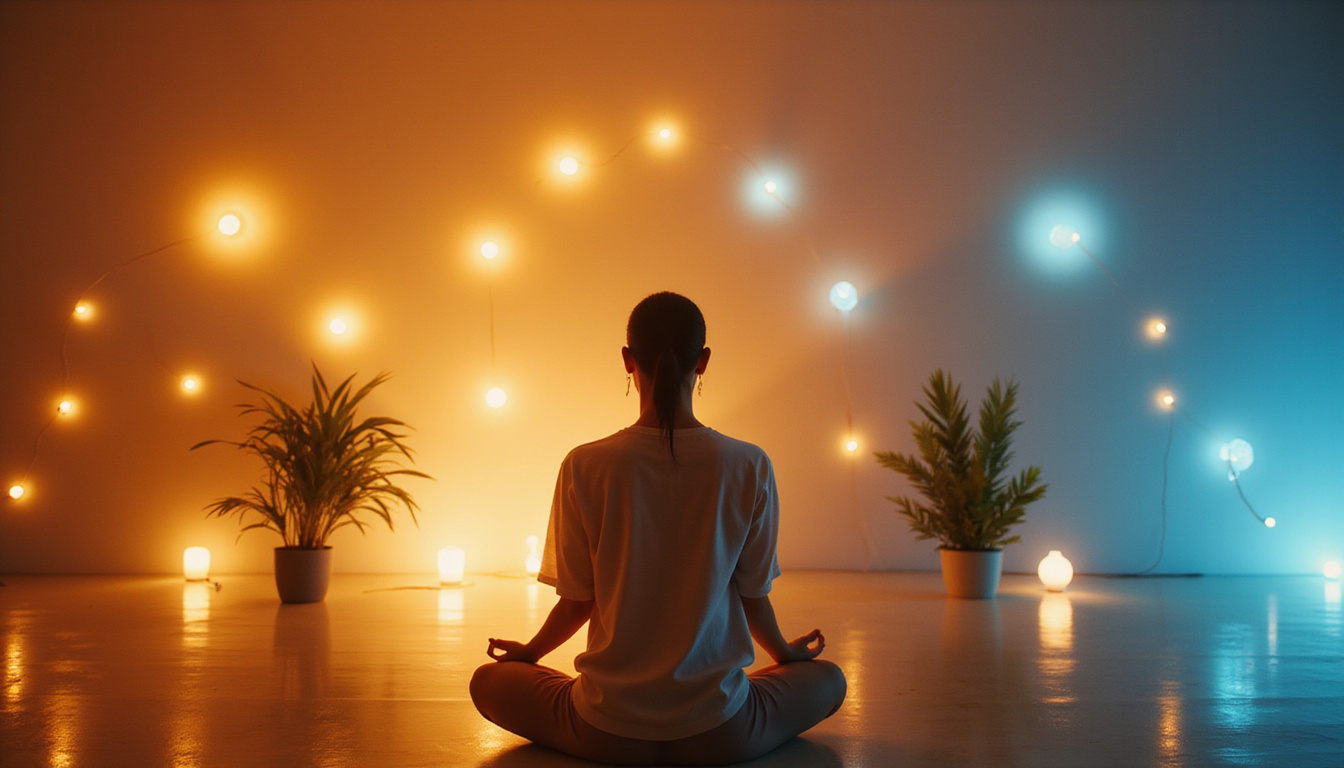
3. Anti‑inflammatory basics
Excess fire shows up as inflammation—joint pain, brain fog, low mood. Lower the burden with:
- Ultra-processed food reduction (especially sugary drinks and fried foods)
- Regular omega‑3 intake (fatty fish 2–3x/week, flax, chia, or a quality supplement)
- Consistent sleep and walking—the cheapest anti-inflammatory tools you have
Air Element: Calm Your Nervous System, Sharpen Your Mind
Air is breath, thoughts, and the nervous system that connects body and mind. When this element is chaotic, anxiety, distraction, and overwhelm dominate.
Air Hacks for Calm Clarity
1. Anchor your breath
A simple pattern:
- Inhale through your nose for 4 seconds
- Exhale through your nose for 6 seconds
- Repeat for 2–5 minutes
Longer exhalations activate the parasympathetic (“rest and digest”) system, calming stress and sharpening focus.
2. One-task windows
Multitasking is a myth; task-switching just fries mental energy. Try:
- 25–50 minutes of single-task focus
- 5–10 minutes of movement, stretching, or looking out a window
This “Air hygiene” clears mental clutter and dramatically improves output quality without working more hours.
3. Externalize your mind
Keep a capture tool—note app, small notebook—to offload thoughts, to-dos, and worries instantly. Treat your brain as a processor, not a storage device. The less your mind has to hold, the more it can think.
Space Element: Design an Environment That Heals, Not Drains
Space is your surroundings, schedule, and digital atmosphere. If this element is chaotic, even perfect habits won’t stick.
Space Hacks for Easier Balance
1. Light as a master switch
Light exposure heavily influences your circadian rhythm, which in turn affects hormones, appetite, and mood.
- Within 30–60 minutes of waking, get 5–15 minutes of outdoor light (even if cloudy)
- In the evening, dim overhead lights and reduce blue light from screens 1–2 hours before bed
This one shift can improve sleep quality, morning energy, and even appetite regulation.
2. Micro-decluttering
A cluttered space constantly signals your brain with unfinished tasks. Each day, choose one micro-zone:
- A drawer
- Part of your desk
- A bag or shelf
Give it 5–10 minutes of focused tidying. Over weeks, your space becomes quieter, and your nervous system follows.
3. Intentionally shape digital space
- Turn off non-essential notifications
- Create a separate “focus screen” on your phone with only necessary tools
- Set app limits for your biggest time-wasters
You’re not weak for getting distracted; the tools are designed that way. Adjusting the “Space” around them is a core elemental balance hack.
A Simple Daily Elemental Balance Routine
To make this practical, here’s how you can weave all five elements into a realistic day:
-
Morning (15–20 minutes total)
- Light exposure outside (Space)
- Glass of salted or mineralized water (Water)
- 2–5 minutes of slow breathing (Air)
- A protein-rich breakfast (Earth)
-
Midday (10–15 minutes)
- Short walk or mobility flow (Water/Earth)
- Quick priorities reset on paper (Fire/Air)
-
Afternoon (5–10 minutes)
- “Flow break” with gentle stretches (Water)
- Review tomorrow’s top 1–3 tasks (Fire/Air)
-
Evening (20–30 minutes before screens)
- Dim lights and power down non-essential tech (Space)
- Light, earlier dinner when possible (Earth)
- 5–10 minutes of journaling or reflection (Air)
You don’t need to be perfect. Consistency at 60–70% effort beats sporadic perfection every time.
How to Tell If Your Elemental Balance Is Improving
Watch for subtle but meaningful signals:
- You wake up slightly more refreshed
- Afternoon crashes soften or disappear
- You feel less reactive and more responsive
- Cravings become more manageable
- Digestive comfort improves
- Your focus windows lengthen, even if just by 10–15 minutes
Track one or two of these in a simple note or habit app. Progress, not perfection, is the goal.
FAQ: Elemental Balance and Lasting Wellness
Q1: What is elemental balance in wellness?
Elemental balance in wellness is the harmony of core life elements—body (Earth), hydration and flow (Water), energy and metabolism (Fire), breath and mind (Air), and environment and rhythm (Space). When these are aligned through daily habits, you experience steadier energy, clearer focus, better sleep, and improved emotional balance.
Q2: How do I start restoring my mind–body elemental balance if I’m overwhelmed?
Start with one small habit per element and make it so easy you can’t fail: a 5-minute walk (Earth/Water), two deep breathing pauses (Air), getting morning daylight (Space), and delaying your first caffeine a bit (Fire). As those feel natural, layer in additional elemental balance hacks rather than trying to change everything at once.
Q3: Can elemental balance principles work with other approaches like yoga, Ayurveda, or biohacking?
Yes. Elemental balance is a flexible framework, not a competing philosophy. You can apply it alongside yoga, Ayurveda, functional medicine, or biohacking by using those tools to support specific elements—like breathwork for Air, sauna or cold exposure for Fire and Water, or circadian rhythm optimization for Space.
Reclaiming your energy, focus, and wellness doesn’t require a radical reinvention—just a return to elemental balance. If you start by choosing a single hack from each element and commit to it for the next 7 days, you’ll build real momentum faster than you expect.
If you’re ready to take this further, pick one area where you feel most off—sleep, stress, energy, or focus—and design a simple elemental balance plan around it. Then track your changes for two weeks. Your body and mind will show you quickly what’s working. Don’t wait to feel “ready”—start small today, and let balance build itself through consistent action.
Want to understand the deeper meaning behind spiritual practices and beliefs? Visit SpiritualMindScience.com for science-informed spiritual education.