Finding your dream home isn’t just about square footage or price; it’s about house compatibility—how well a living space matches your personality, habits, and lifestyle. You can tour dozens of homes and still feel “off” without knowing why. A house compatibility quiz helps you decode the hidden factors that make certain spaces feel like an instant “yes” and others like a hard “no.”
This guide walks you through what house compatibility really means, the personality traits that influence it, and how to use a quiz-style framework to identify the types of homes that suit you best.
What Is House Compatibility?
House compatibility is the degree to which a home’s features, layout, and environment align with:
- Your personality
- Your values and priorities
- Your daily routines
- Your long-term goals
It’s the difference between a house that merely shelters you and a home that supports and energizes you.
House compatibility considers factors like:
- Noise level you can tolerate
- Need for social interaction vs. solitude
- Preference for order vs. creative “chaos”
- Desire for city buzz vs. rural calm
- Love of nature vs. love of urban convenience
When these elements line up with your personality, your home becomes a powerful ally in your everyday life.
Why Your Personality Matters When Choosing a Home
Your personality isn’t just a fun quiz result—it predicts patterns in your comfort, productivity, and stress levels. Psychologists often talk about the “Big Five” personality traits (extraversion, openness, conscientiousness, agreeableness, neuroticism), and each can shape what kind of home works best for you (source: APA).
Extraversion vs. Introversion
-
Extraverts often crave:
- Social interaction
- Vibrant surroundings
- Proximity to cafes, gyms, nightlife, or community spaces
Compatible homes often include: - Apartments or condos in walkable neighborhoods
- Houses with open-concept living and entertaining areas
-
Introverts may prefer:
- Quiet, low-stimulation environments
- Spaces to retreat and recharge
Compatible homes often include: - Houses on quiet streets or cul-de-sacs
- Layouts with separate rooms and cozy nooks
Openness to Experience
- High openness (creative, curious, adventurous):
- Flexible spaces for hobbies
- Neighborhoods with culture, art, and diversity
- Low openness (practical, routine-oriented):
- Predictable, stable communities
- Straightforward, functional layouts
Conscientiousness
- High conscientiousness:
- Efficient storage
- Orderly spaces
- Low-maintenance materials and landscaping
- Lower conscientiousness:
- More tolerant of “lived-in” clutter
- May thrive in adaptable, multi-use spaces
Recognizing yourself in these traits is the first step in using a house compatibility quiz effectively.
The Core Dimensions of House Compatibility
Before diving into a quiz-style framework, understand the main dimensions that make a home feel right for you.
1. Location and Environment
Ask yourself:
- Do I feel more alive in city, suburban, or rural settings?
- Is walkability important, or am I comfortable driving everywhere?
- Do I need easy access to work, public transit, or nature?
Location deeply influences house compatibility. A perfect floor plan in the wrong neighborhood will still feel wrong.
2. Space and Layout
Consider:
- Do I prefer open-concept flow or distinct, separate rooms?
- Do I need a dedicated office or creative studio?
- How many people (and pets) will share this space?
Some personalities thrive in open, flexible layouts; others need defined rooms and doors they can close.
3. Aesthetics and Sensory Comfort
Think about:
- Light: Do I need lots of natural light or prefer subdued, cozy spaces?
- Sound: Can I handle street noise or neighbor activity?
- Texture and color: Minimalist, bold, eclectic, or traditional?
Sensory overload (or underload) can quickly erode your sense of compatibility, even in a well-designed home.
4. Maintenance and Responsibility
Be honest:
- Am I willing to spend weekends on yard work or repairs?
- Do I want a turn-key home or a fixer-upper project?
- Do I prefer a small, easy-to-clean space or larger, more complex property?
Your tolerance for upkeep is crucial. A beautiful, high-maintenance home will work against you if it clashes with your lifestyle.
Take This Mini house compatibility Quiz
Use this quiz as a diagnostic tool. For each question, choose the option that feels most “you” most of the time.
1. On a typical weekend, you’d rather:
A. Host friends for dinner or game night
B. Explore a new neighborhood, café, or event
C. Stay in and read, watch movies, or pursue solo hobbies
D. Get outdoors: hiking, gardening, or long walks
2. Noise level you’re comfortable with at home:
A. I don’t mind some street noise or neighbor sounds
B. Background buzz is fine, but not too intense
C. I need it mostly quiet to feel calm
D. I crave deep quiet and natural sounds
3. Ideal home layout:
A. Large open living/dining area for gatherings
B. Mix of open common spaces and private rooms
C. Smaller, defined rooms that feel cozy
D. Flexible spaces I can repurpose for hobbies or work
4. Your feelings about home maintenance:
A. I’d rather pay more for low maintenance
B. I can handle some upkeep, but not a major project
C. I enjoy DIY projects and making things my own
D. I want as little responsibility as possible—no yard, minimal repairs
5. Your decorating style:
A. Modern, clean lines, minimal clutter
B. Warm and lived-in with personal touches
C. Eclectic mix of colors, art, and collections
D. Functional and simple—I don’t want to fuss over décor
6. Proximity priorities:
A. Restaurants, nightlife, and fitness centers
B. Grocery stores, good schools, and parks
C. Libraries, cultural venues, and quiet cafés
D. Trails, nature, and wide-open spaces
7. How you feel about neighbors:
A. Love seeing people and chatting regularly
B. I like a sense of community but also privacy
C. I prefer minimal interaction
D. Close-knit community is nice, but small and quiet
Interpreting Your Results: Which Homes Suit You Best?
Count your answers: see which letter (A, B, C, or D) you chose most often.
Mostly A: The Social Urbanite
You likely thrive on energy and connection.
House compatibility profile:
- Best fits:
- Apartments or condos in vibrant, walkable neighborhoods
- Townhomes with shared facilities (gym, lounge, rooftop, etc.)
- Key features:
- Open-concept living/dining for entertaining
- Easy access to public transit, restaurants, and events
- Good soundproofing to handle urban noise
- Watch out for:
- Tiny kitchens if you love to host
- Buildings with poor noise insulation
Mostly B: The Balanced Suburban Planner
You value a mix of convenience, comfort, and stability.
House compatibility profile:
- Best fits:
- Single-family homes or duplexes in quiet but not remote suburbs
- Condos in mixed-use neighborhoods with parks and services nearby
- Key features:
- Combination of open and closed spaces
- Enough bedrooms for family, guests, or a home office
- Reasonable commute times and good local amenities
- Watch out for:
- Long commutes that eat into family and personal time
- Oversized homes that create maintenance and cleaning stress
Mostly C: The Cozy Introvert
You crave sanctuary, privacy, and calm.
House compatibility profile:
- Best fits:
- Homes on quiet streets or cul-de-sacs
- Smaller houses, cottages, or top-floor units with fewer shared walls
- Key features:
- Defined, enclosed rooms and quiet nooks
- Sound-dampening elements (rugs, curtains, bookshelves)
- Access to calm spaces like libraries, quiet parks, or mellow cafés
- Watch out for:
- Overly dense complexes with thin walls
- Layouts with no space to retreat from shared areas
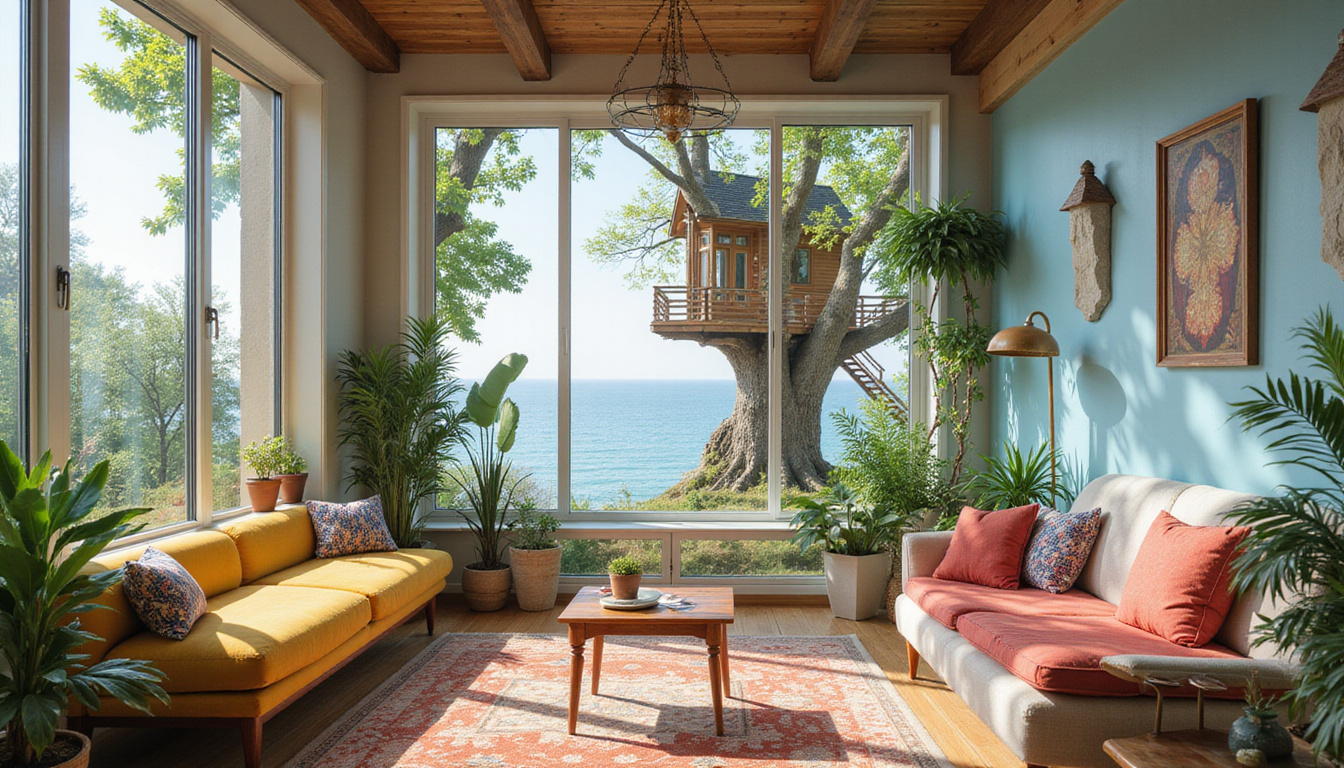
Mostly D: The Nature-Seeking Free Spirit
You’re grounded by the outdoors and flexibility.
House compatibility profile:
- Best fits:
- Homes near nature: edge-of-town properties, rural houses, or cabins
- Small homes with access to large outdoor spaces
- Key features:
- Patios, decks, or yards
- Rooms that can adapt to changing hobbies or work
- Good natural light and views
- Watch out for:
- Long drives for essentials or social activities
- More land than you realistically want to maintain
Beyond the Quiz: Practical Steps to Test House Compatibility
A quiz is a starting point. Translate your insights into action with these steps:
-
Create a non-negotiables list.
Examples: “must have private outdoor space,” “must be walkable to groceries,” “must have a separate office.” -
Rank your preferences.
Distinguish between:- Deal-breakers
- Strong wants
- Nice-to-haves
-
Test-drive neighborhoods.
Visit at different times: morning, evening, weekends. Note noise, traffic, and vibes. -
Visualize your real life in the space.
Imagine:- Where your morning routine happens
- How groceries get carried in
- Where you work, relax, and host
-
Factor in future changes.
Consider:- Career shifts (more remote work?)
- Growing family or downsizing
- Aging in place or resale appeal
House compatibility isn’t only about today—it’s about the next 5–10 years.
Common House Compatibility Mistakes to Avoid
Many people overlook their true compatibility needs when emotions or external pressures kick in. Watch for these pitfalls:
-
Falling for aesthetics over function
Beautiful finishes can distract from poor layout, bad natural light, or noisy surroundings. -
Ignoring your daily routines
A dream kitchen means little if your commute doubles and exhausts you. -
Underestimating maintenance
Large yards, pools, or old systems can become time and money drains. -
Buying for someone else’s idea of success
A big house in the “right” area might not be right for your actual personality and needs. -
Forgetting sensory sensitivities
Light sleepers, noise-sensitive people, or those prone to overstimulation need to weigh these factors heavily.
Quick Checklist: Is This House Compatible With You?
Use this checklist when touring homes or reviewing listings:
- Does the location match my energy level (urban, suburban, rural)?
- Is the noise level tolerable for me day and night?
- Does the layout support how I work, relax, and socialize?
- Will I realistically keep up with the maintenance and cleaning?
- Do I feel mentally calm or energized in a good way inside this space?
- Can this home flex with my likely future changes?
If most answers lean “no” or “I’m not sure,” your house compatibility may be low, even if the property looks great on paper.
FAQ About house compatibility
1. What is a house compatibility test and how accurate is it?
A house compatibility test or quiz helps you identify which home features and locations align with your personality, routines, and values. While no quiz is perfectly accurate, a well-designed house compatibility questionnaire surfaces patterns you might overlook, making your home search more focused and realistic.
2. How can I improve house compatibility in my current home?
Improving house compatibility doesn’t always mean moving. You can:
- Rearrange furniture to better match your routines
- Create quiet zones or social zones depending on your needs
- Add storage, soundproofing, or better lighting
- Adjust decor to better reflect your personality
Small changes often raise your sense of compatibility dramatically.
3. Are house personality compatibility quizzes only for buyers?
No. Renters, house-sharers, and even people planning future moves can benefit. A house personality compatibility quiz clarifies what you truly need from any living space—whether it’s a rental studio, shared house, or forever home.
Ready to Find Your Perfect Match?
Your home is more than an address; it’s the backdrop of your daily life and the container for your goals, relationships, and wellbeing. Understanding house compatibility helps you move beyond guesswork and glossy photos to choose homes that feel genuinely supportive.
Use the quiz results, checklists, and insights from this guide to narrow your search, refine your must-have list, or rework your current space. If you’re serious about finding (or creating) a home that truly fits, start now: list your top five non-negotiables based on your personality, then compare every new home you consider against that list. The more honest you are, the closer you’ll get to a place that doesn’t just look right—but feels right, every day.
Relationships involve psychology, emotions, and belief systems. Discover thoughtful articles on spirituality and human consciousness at SpiritualMindScience.com