Our homes are more than shelter—they’re mirrors. From the colors you choose to the way you arrange furniture, subtle signals add up to deeper house meanings about your personality, priorities, and even your stress levels. Interior designers and environmental psychologists have long noted that our spaces reflect (and shape) how we think, feel, and behave.
This guide walks room by room through typical house meanings, helping you decode what your home might be saying about you—and how to shift it to better match who you want to be.
Why House Meanings Matter More Than You Think
Home environments don’t just express who you are; they influence who you become. Research in environmental psychology shows that physical surroundings can affect mood, productivity, and relationships (source: American Psychological Association).
Understanding house meanings can help you:
- Spot hidden stressors in your space
- Align your home with your values and goals
- Create rooms that support better habits
- Communicate more authentically through design
Instead of chasing trends, think of your house as a living autobiography—one you can edit at any time.
The Front Door & Entryway: Your Public Identity
The entryway is the handshake of your home. It sets the tone for how others see you and how you transition from the outside world to your private life.
What a Cluttered Entry Says
Piles of shoes, unopened mail, coats stacked on a chair:
- You may be juggling too many responsibilities.
- Boundaries between work, social life, and home might feel blurred.
- You’re often in “catch-up” mode rather than feeling in control.
What a Minimal, Bare Entry Says
A neat but almost empty entrance with little decor:
- You value efficiency and dislike visual noise.
- You might be guarded about revealing your personal life.
- Guests can feel welcomed—or a bit unsure of your personality.
What a Warm, Decorated Entry Says
Art, plants, a console table, hooks, maybe a small bench:
- You’re relationship-oriented and care how people feel in your space.
- You likely enjoy hosting and social connection.
- You want your home to tell a story as soon as someone steps in.
House meanings tip: Add one functional item (like a tray or hooks) and one personal item (art, photo, or plant) to make your entry balanced—both practical and welcoming.
The Living Room: Your Social Self and Status
The living room is where you perform your “public self” at home. Its layout and decor often reveal your priorities around community, status, and comfort.
Layout: Where the Focus Really Is
-
Sofa facing the TV:
Suggests relaxation, entertainment, and decompression are top priorities. You might use your home to escape, not just to connect. -
Furniture arranged in a circle or semi-circle:
Indicates conversation and relationships matter more than screens. You probably value deep talks and shared experiences. -
Furniture pushed against the walls, giant empty center:
Can signal a desire for control or formality. You might be cautious about intimacy or spontaneity in social situations.
Decor and House Meanings in the Living Room
-
Lots of books, records, or art:
You value ideas, culture, and identity expression. You likely see your home as an extension of your mind. -
Designer pieces, carefully curated:
Image, accomplishment, or aesthetics matter to you. You might be ambitious or motivated by external recognition. -
Soft furnishings, blankets, candles:
Comfort and emotional safety are priorities. You’re probably a caregiver type or someone who creates a “nest” for yourself and others.
The Kitchen: Nourishment, Control, and Routine
Kitchens carry strong house meanings because they’re tied to food, care, and daily rhythms.
A Pristine, Barely Used Kitchen
Spotless counters, unused gadgets, everything staged:
- Suggests you’re either extremely disciplined or don’t cook much.
- You might see the kitchen more as a visual asset than a functional zone.
- You could be time-poor or prefer to outsource food (takeout, dining out).
A Busy, Well-Used Kitchen
Cookbooks, a few dishes in the drying rack, spices out:
- Signals creativity, hospitality, and an active home life.
- You likely enjoy cooking for others and see food as love or connection.
- Slight messes suggest you value experiences over perfection.
Chronically Overwhelmed Kitchen
Overflowing sink, expired food, chaotic pantry:
- Points to decision fatigue or burnout.
- Everyday tasks may feel heavy, making self-care harder.
- You might struggle with routines or feel stuck in survival mode.
Small shifts: A single clear countertop zone, a bowl of fresh fruit, or a neatly organized tea/coffee station can transform the energy and the house meanings of your kitchen without a full remodel.
The Dining Room: Rituals, Family, and Time
Dining rooms are often symbolic: they show how you relate to family, tradition, and shared time.
A Dining Room Used Only on Holidays
Perfect table, rarely touched:
- You may idealize family connection but find it hard to maintain regularly.
- You might associate “togetherness” with big, orchestrated efforts.
- There could be some tension between your ideal life and your actual routines.
A Multi-Use Dining Table
Used for meals, work, homework, crafts:
- Shows flexibility and adaptability.
- Suggests a busy life, perhaps with blurred lines between work and home.
- You might value productivity and togetherness at once.
No Dining Space at All
Eating on the couch or on the go:
- Indicates autonomy and informality—perhaps you dislike strict routines.
- Could reflect a hectic schedule or a preference for solo time.
- Over time, it might weaken opportunities for intentional connection.
The Bedroom: Your Inner World
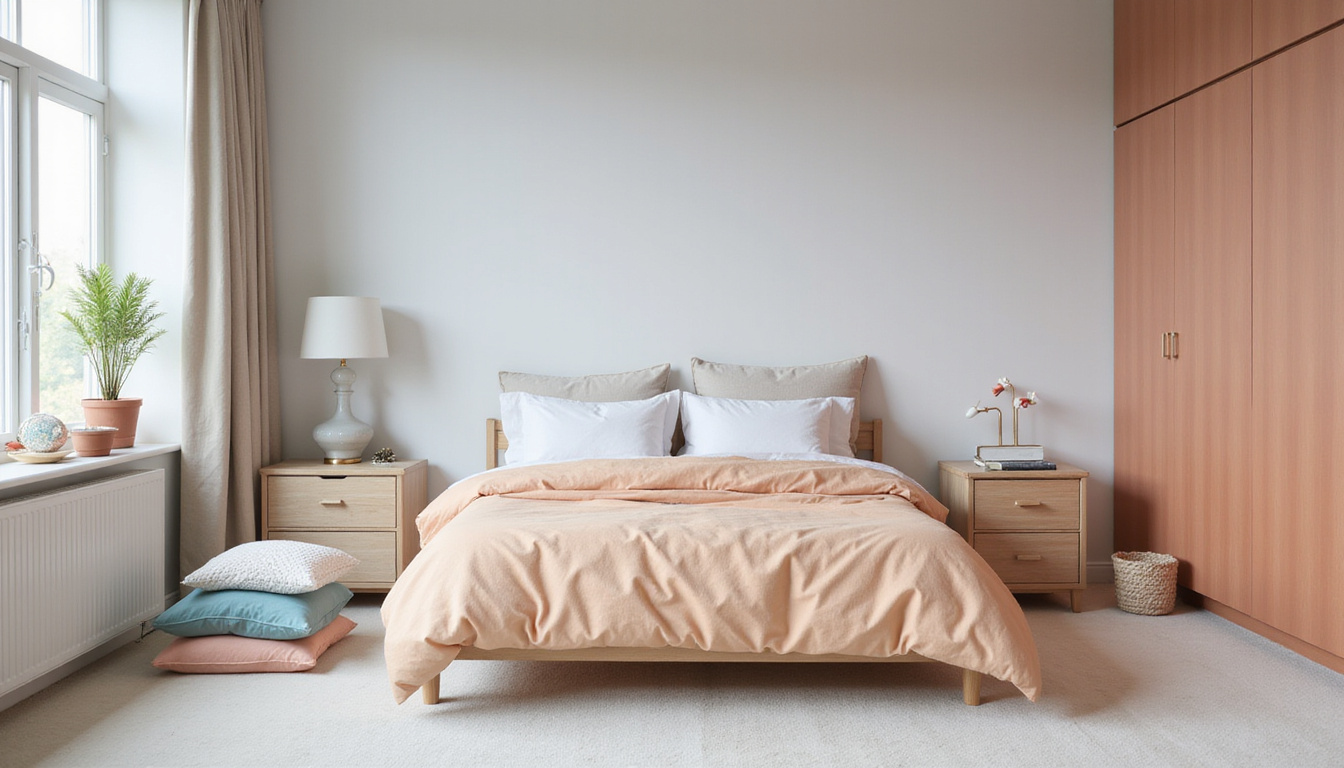
Bedrooms carry some of the most intimate house meanings. This is where you recharge, retreat, and process emotions.
A Calm, Minimal Bedroom
Soft colors, limited decor, hidden storage:
- You seek peace and mental quiet.
- Likely sensitive to stimulation and in need of a sanctuary space.
- You may prioritize sleep and emotional regulation.
A Bedroom Full of Work and Screens
Desk, laptop, multiple devices, TV:
- Your boundaries between work and rest are blurred.
- You might be ambitious—or anxious about “turning off.”
- Sleep quality and stress levels could be impacted.
A Chaotic, Overstuffed Bedroom
Clothes everywhere, overflowing surfaces, mismatched items:
- Suggests decision fatigue and emotional clutter.
- Bedrooms like this often belong to people going through transitions: breakups, job changes, grief, or burnout.
- You might feel like you “don’t have time” to take care of yourself.
Reframe: Think of your bedroom not as a storage room, but as your “charging station.” What does it say about how you treat your own energy?
The Bathroom: Self-Care and Boundaries
Bathrooms reveal how you relate to your body and basic self-care.
Spa-Like, Intentional Bathroom
Plants, good lighting, curated products, tidy shelves:
- You invest in self-care rituals.
- You’re comfortable prioritizing your own well-being.
- Small luxuries matter to you as a way to cope and recharge.
Functional but Stark Bathroom
Only essentials, little decor:
- You’re practical and efficiency-focused.
- Self-care might be checked off a list rather than savored.
- You might reserve comfort for other parts of the house.
Chronically Unkempt Bathroom
Old products, grimy surfaces, cluttered counters:
- Can indicate self-neglect or persistent low energy.
- You might be overloaded, dealing with mental health challenges, or just extremely stretched.
- The body-related tasks of life may feel like chores instead of care.
The Home Office: Focus, Identity, and Ambition
With remote work common, home offices now play a powerful role in house meanings.
Highly Organized, Branded Office
Vision board, color scheme, good lighting, ergonomic setup:
- You have a strong sense of professional identity and future goals.
- You value structure and presentation.
- You probably care how you appear on video calls and to clients.
A Corner Desk in Another Room
Work squeezed into bedroom or living room:
- Suggests a transitional phase or limited space.
- Boundaries between work and personal life may be soft.
- You might see your job as “just one part” of your identity, not all of it.
Paper Piles and Digital Chaos
Overstuffed drawers, tangled cords, random stacks:
- Indicates procrastination or decision overload.
- You could be a creative thinker who struggles with systems.
- Your space might be silently raising your stress and reducing focus.
One helpful move: Create a clear “end of workday” ritual—shut laptop, close a drawer, switch on a small lamp—to tell your brain the office is closed, even if it’s just one corner.
The Kids’ Rooms: Autonomy vs. Control
Children’s rooms often reflect not just the child, but the parents’ beliefs and boundaries.
Perfectly Styled, Always Tidy
Matching furniture, decorative items out of reach, no visible mess:
- You may value order and aesthetics highly.
- There might be more adult control than child autonomy.
- On the upside, it can feel safe and structured; on the downside, kids may feel pressured.
Lived-In, Personalized Rooms
Posters, art, toys, collections on display:
- Suggest you respect your child’s individuality.
- You might allow experimentation and self-expression.
- There’s often a balance between structure and freedom.
Perpetual Chaos
Everything everywhere, no clear zones or storage:
- Indicates systems are missing, not that you or your child are “messy people.”
- Suggests a family that’s overextended, or a home without time for maintenance.
- Children in these spaces may feel overwhelmed or overstimulated.
House Meanings in Color, Light, and Objects
Even small details contribute to your home’s unspoken messages.
Color Choices
- Neutrals and earth tones: Calm, safety, and understated confidence.
- Bold, bright accents: Energy, creativity, and a willingness to be noticed.
- Dark, moody palettes: Depth, introspection, and sometimes a desire for cocooning.
Light and Openness
- Open curtains and use of natural light often signal optimism and engagement with the outside world.
- Closed blinds, heavy drapes, or dim spaces can reflect a desire for privacy—or periods of low mood.
Meaningful vs. Generic Objects
- Photos, souvenirs, handmade items: Show connection to memory and relationships.
- Generic decor “because it was on sale”: May reflect uncertainty about your style or a focus on function over meaning.
How to Rewrite Your Home’s Message
You don’t need a big budget to shift the deeper house meanings around you. Start small and intentional.
Consider this simple process:
- Choose one room you spend the most time in.
- Ask what it’s currently saying about your life and habits.
- Decide what you want it to say instead (calm, creative, social, focused, etc.).
- Make 3 micro-changes, such as:
- Clearing one surface completely
- Adding one item that reflects your values (book, art, plant)
- Removing one object that belongs to an old version of you
Over time, these adjustments accumulate into a home that feels like an honest, supportive reflection of who you are becoming—not just who you’ve been.
FAQ: Common Questions About House Meanings
Q1: What do house meanings in dreams say about my real home?
Dream houses often symbolize your “inner house”—your psyche or life structure. A crumbling house can represent insecurity or transition, while discovering new rooms may symbolize unrealized potential. Still, it’s worth comparing your dream imagery to your real environment; sometimes your brain is echoing how your actual home feels.
Q2: How do spiritual house meanings relate to clutter and energy?
Many spiritual traditions (like feng shui or minimalism-inspired philosophies) suggest that clutter blocks energy and opportunity. Whether or not you buy the spiritual angle, there’s solid psychological evidence that clutter increases stress and reduces focus, giving those spiritual interpretations practical weight.
Q3: Are there cultural differences in house symbolism and room meanings?
Yes. In some cultures, the kitchen is the unquestioned heart of the home; in others, the courtyard or living room holds that role. Concepts like a “formal dining room” or an “ensuite master bedroom” are relatively modern and culturally specific. When interpreting house meanings, always consider your cultural context and family traditions.
Turn Your House Into a Clear, Supportive Story
Every door, corner, and surface in your home is already telling a story about you—your values, your stress, your hopes, and your history. The power of understanding house meanings is realizing you can be the editor.
If your rooms are whispering “overwhelmed,” “unfinished,” or “not really me,” you don’t need a total renovation. Start with a single room, a single surface, even a single corner. Decide what you want that space to say about you, then make a few small but deliberate changes that support that message.
Your house will never be perfect—but it can be honest, kind, and aligned with the person you’re becoming. Begin today: pick one room, listen to what it’s saying, and rewrite the script.
Want to understand the deeper meaning behind spiritual practices and beliefs? Visit SpiritualMindScience.com for science-informed spiritual education.