Your place of birth is one of the first facts ever recorded about you, yet it can influence your life in ways that go far beyond a line on a birth certificate. From shaping your identity and world view to affecting your health, education, and income potential, place of birth often plays a profound—though not always obvious—role in your journey.
This article explores how place of birth affects identity, opportunities, and success, what parts of it are within your control, and how to navigate the advantages or disadvantages you may have started with.
What Does “Place of Birth” Really Mean?
In everyday language, place of birth can mean:
- The country where you were born
- The specific city, town, or village
- Sometimes even the hospital or home environment
Legally, your place of birth often helps determine:
- Your nationality or citizenship
- The passports you can hold
- Your eligibility for certain rights, benefits, and protections
Culturally and socially, place of birth is often tied to:
- Native language(s)
- Traditions, customs, and norms
- Shared history and collective memory
In other words, place of birth isn’t just geography; it’s a bundle of circumstances that can shape your identity from your very first day.
Identity: How Place of Birth Shapes Who You Think You Are
Cultural Roots and Belonging
Place of birth usually anchors your earliest sense of “home.” You may grow up with:
- Local festivals and holidays
- Regional foods and flavors
- Specific ways of speaking (accents, dialects, slang)
- Shared stories about your town or country
These elements quietly teach you what’s “normal,” what’s valued, and where you belong. Even if you move away, the culture of your birthplace often becomes part of your emotional DNA.
Language and Thinking
Your first language is typically tied to your place of birth and early environment. Language doesn’t just let you communicate; it shapes how you think, describe emotions, and interpret the world.
For example, being born in a multilingual city might expose you to several languages early on, which research links to cognitive flexibility and broader cultural understanding.
Local Norms and Personal Identity
The social norms of your birthplace influence:
- How you see authority and hierarchy
- Your beliefs about gender roles
- Attitudes toward risk, work, and success
- Ideas about community vs. individualism
Someone born in a tight-knit village may develop a strong sense of collective identity, while someone born in a large, anonymous city may learn to value independence and privacy. Both can deeply shape self-concept and life choices.
Opportunity: How Place of Birth Affects Your Life Chances
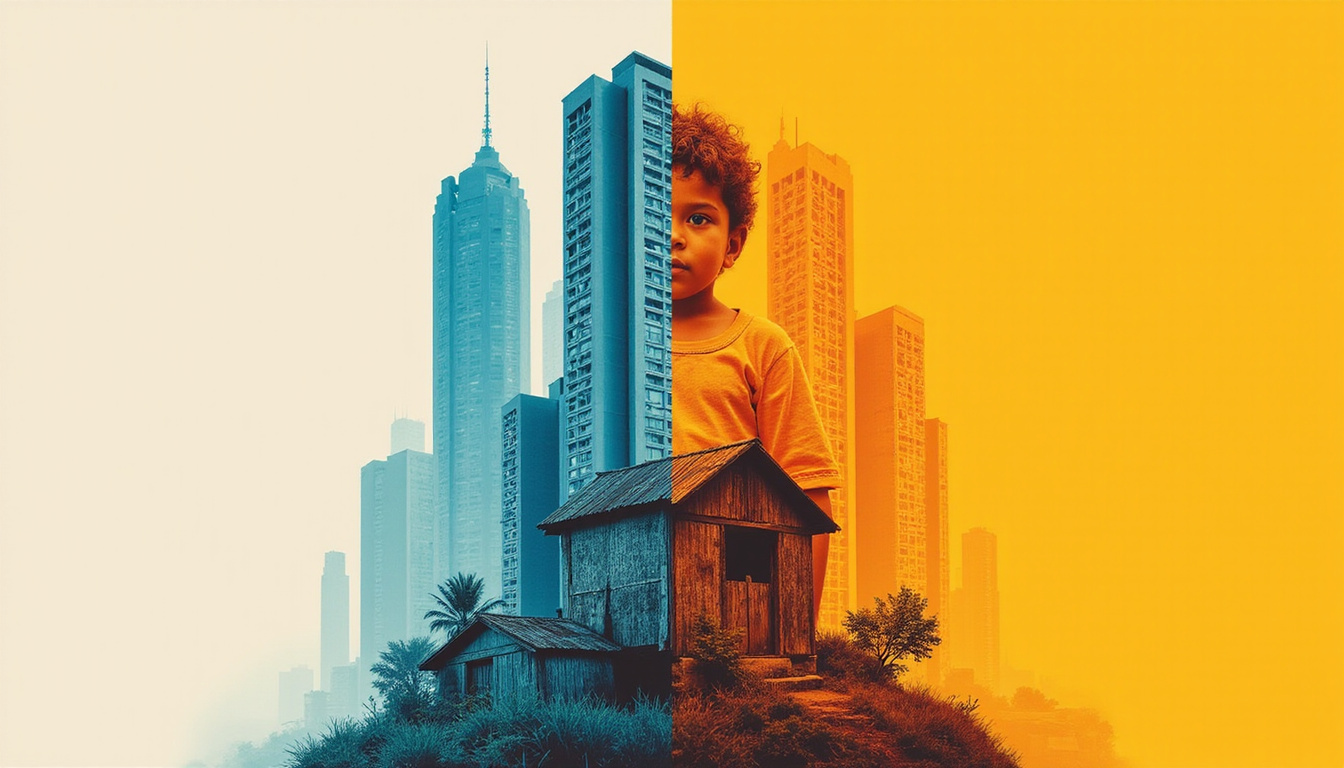
Not all birthplaces offer the same starting line. Where you’re born can give you a significant head start—or a steep uphill climb.
The “Lottery of Birth”
Economists often talk about the “lottery of birth”—the idea that things you cannot choose, like your family’s income or your place of birth, dramatically affect your life prospects.
Key factors tied to birthplace include:
- Local quality of healthcare and early nutrition
- Availability and quality of schools
- Safety and stability (war, crime, political unrest)
- Economic opportunities and job markets
For example, a child born in a high-income country typically has far better odds of reaching adulthood, getting an education, and earning higher wages than a child born into extreme poverty in a conflict zone (source: World Bank).
Urban vs. Rural Divide
Even within the same country, your place of birth can matter a lot:
- Urban birthplaces often mean closer access to hospitals, specialists, universities, and a wider range of careers.
- Rural birthplaces might offer stronger community ties but limited access to advanced education, specialized healthcare, or diverse jobs.
These differences can ripple across a lifetime, influencing where you can study, who you meet, and what careers feel realistic.
Infrastructure and Public Services
Well-funded public services in your birthplace can shape:
- How prepared you are for school
- Whether you get early intervention for health issues
- Your exposure to books, libraries, sports, and arts
- The quality of air, water, and living conditions
Two children could be equally talented and hardworking, but if one is born where schools are overcrowded and underfunded and the other where education is prioritized and well-resourced, their outcomes are likely to diverge.
Success: How Place of Birth Influences Achievements
Health and Longevity
Place of birth is closely correlated with:
- Life expectancy
- Risk of certain diseases
- Access to vaccinations and preventive care
Being born in a region with strong public health systems versus one with limited care can dramatically affect both how long and how well you live.
Education and Earnings
Research consistently shows that place of birth influences:
- Average years of schooling
- Literacy and numeracy skills
- Probability of going to university
- Lifetime earnings and career prospects
Being born in a place with high-quality schools and a strong job market creates more pathways to conventional “success.”
Social Networks and Social Capital
Your place of birth often determines your first and most enduring networks:
- Extended family and neighbors
- Schoolmates and local mentors
- Community leaders and local professionals
These relationships can open doors to internships, jobs, and opportunities you might never hear about otherwise. Social capital—the value of who you know and who knows you—is often rooted in where you started.
How Place of Birth Continues to Matter in a Globalized World
Mobility and Migration
Modern transportation and digital communication mean it’s easier than ever to move away from your place of birth. Millions of people migrate for:
- Education
- Work
- Safety and stability
- Family reunification
Yet, even when you move, your original birthplace keeps influencing:
- Your legal status and visa options
- How employers or institutions view your background
- Your internal sense of where “home” is
Citizenship and Rights
Many countries use place of birth (jus soli) or parents’ citizenship (jus sanguinis) to determine your legal rights. This can affect:
- Your ability to travel
- Access to healthcare, education, and social benefits
- Political rights, like voting or running for office
Some people are born in places where they are at risk of becoming stateless, highlighting how critical this single detail can be.
Digital Identity vs. Geographic Roots
Online, you can curate an identity that doesn’t highlight your place of birth at all. You can work remotely, study in global classrooms, and collaborate with people everywhere.
Still, algorithms, time zones, languages, and economic realities often trace back to your birthplace and current residence. Globalization softens but doesn’t erase the influence of geography.
Can You Overcome Disadvantages of Your Place of Birth?
While place of birth sets the stage, it doesn’t write the entire script of your life. Many people overcome difficult beginnings and build meaningful success on their own terms.
Here are practical levers that can help shift the odds:
-
Education and Skills
- Seek scholarships, online courses, and vocational training.
- Use open education platforms to access world-class learning even from remote regions.
-
Language Learning
- Learning widely spoken languages (like English, Spanish, Mandarin, French) can open global opportunities.
- Bilingual or multilingual skills increase your competitiveness in many fields.
-
Digital Connectivity
- Remote work, online businesses, and freelance platforms can bridge the gap between where you’re born and where your clients or employers are.
- Building a professional online presence (portfolio, LinkedIn, GitHub, etc.) can transcend local limitations.
-
Strategic Relocation
- Internal migration (from rural to urban areas) or international migration can radically change your opportunity environment.
- Even short-term study or work abroad can expand your networks and perspective.
-
Leveraging Local Strengths
- Every place of birth comes with unique assets—community support, specialized industries, natural resources, or cultural capital.
- Turning local knowledge into a niche advantage can be as powerful as moving away.
The Emotional Side: Pride, Conflict, and Mixed Feelings
Place of birth can evoke complex emotions:
- Pride in your hometown or country’s history and achievements
- Nostalgia for childhood landscapes, smells, and sounds
- Conflict if your values differ from local norms or if your birthplace is associated with hardship or stigma
- Dual or multiple identities if you were born in one place but raised in another
Many people learn to hold a layered identity: proud of where they were born, grateful for where they grew, and open to where they might go next.
FAQ: Common Questions About Place of Birth and Life Outcomes
1. How much does place of birth affect your future?
Place of birth strongly influences your early health, education, and opportunities. It shapes the environment in which you develop skills and make choices. However, it does not absolutely determine your future—personal decisions, support systems, and changing circumstances also play major roles.
2. Does birthplace determine success in life?
Birthplace does not rigidly determine success, but it affects the probability of certain outcomes. Being born in a stable, prosperous area increases your chances of accessing quality education, healthcare, and networks. Still, individual resilience, talent, timing, and luck can help people from disadvantaged birthplaces achieve remarkable success.
3. Can changing countries overcome the limits of your place of birth?
Moving countries can expand your options beyond those available in your original place of birth, especially if you gain access to better education, safety, or job markets. Yet your original birthplace still matters—for legal status, personal identity, and how others may perceive you. Migration can improve opportunities but also introduces new challenges, like integration and discrimination.
Turning Awareness into Action
Your place of birth is a powerful starting condition—but it’s not your destiny. Understanding how it has shaped your identity, opportunities, and definition of success gives you a clearer map of the forces working for or against you.
With that awareness, you can:
- Lean into the strengths your birthplace gave you—language, culture, community, perspective.
- Strategically address its limitations—through education, networks, relocation, or digital tools.
- Support policies and initiatives that reduce the unfair impact of the “lottery of birth” for others.
Where you were born is part of your story, but it doesn’t have to be the whole story. Starting today, you can make conscious choices that build on your origins, rewrite what’s possible, and create a future that reflects who you choose to become—not just where you happened to begin.
Curious about why astrology has fascinated people for centuries? Explore evidence-based perspectives on spirituality, consciousness, and human psychology at SpiritualMindScience.com