Relationship astrology offers a powerful lens for understanding how two people connect, communicate, and grow together. Rather than predicting fated outcomes, relationship astrology gives you a language for your patterns in love: what you need, what you fear, and how your energy blends with someone else’s. When you learn how to read these dynamics, you can move from confusion and conflict to clarity and conscious choice.
This guide walks you through the core concepts, charts, and techniques that astrologers use to decode compatibility and deepen emotional bonds.
What Is Relationship Astrology, Really?
Relationship astrology (often called synastry and composite chart work) is a specialized branch of astrology that focuses on:
- How two birth charts interact
- The emotional and psychological needs each person brings to a partnership
- Potentials for attraction, friction, long-term stability, and growth
Rather than asking, “Are we meant to be?” relationship astrology asks more constructive questions:
- How do our needs align or clash?
- Where is there natural ease, and where will we need skill?
- What kind of relationship are we building together?
Seen this way, astrology becomes a tool for self-awareness and relational intelligence, not blind prediction.
Beyond Sun Signs: Why “Star Sign Compatibility” Isn’t Enough
Most people’s first contact with relationship astrology is a quick “Aries + Cancer: good or bad?” style compatibility chart. While Sun signs do matter, they are only one part of a much larger picture.
Here’s why simple Sun-sign matching is limited:
- It ignores the Moon (emotional needs and instincts)
- It overlooks Venus and Mars (love style, attraction, sexuality)
- It skips angles and houses (where you impact each other’s life)
- It misses the deeper karmic patterns shown by outer planets and nodes
Two people can have Sun signs that “don’t match” and still feel deeply seen and supported. Likewise, supposedly perfect sign pairings can fail if other chart factors clash. Relationship astrology becomes far more accurate when you look at entire birth charts side by side.
The Core Building Blocks of Relationship Astrology
To decode compatibility properly, astrologers typically focus on a few key building blocks.
1. Sun, Moon, and Rising: Your Core Blueprint
-
Sun: Your conscious identity, core vitality, and life direction.
- In relationships: What you need to feel proud, recognized, and “yourself.”
-
Moon: Your emotional needs, attachment style, and instinctive responses.
- In relationships: How you seek comfort, nurture, and safety.
-
Rising Sign (Ascendant): The lens through which you approach life; your “interface” with the world.
- In relationships: How you come across on first meeting and your automatic style of engaging.
When someone’s Sun, Moon, or Rising strongly aspects yours (especially conjunctions, trines, or sextiles), there’s often an immediate sense of familiarity or recognition.
2. Venus and Mars: Attraction, Chemistry, and Love Style
-
Venus speaks to:
- What you value in love
- How you give and receive affection
- Your relationship aesthetics and love language
-
Mars reveals:
- How you assert yourself
- Sexual drive and style
- How you pursue what (and whom) you want
Strong Venus–Mars connections between charts can create powerful attraction, but the type of aspect matters:
- Harmonious aspects (trine, sextile) → easy chemistry, natural affection
- Conjunctions → intense magnetism; can be passionate or volatile
- Squares/oppositions → attraction with friction; can feel hot but unstable if not managed well
3. Mercury: Communication and Mental Connection
Mercury shows how you think, speak, and process information. In relationship astrology:
-
Compatible Mercuries (same element or harmonious aspects) support:
- Smooth conversations
- Easier conflict resolution
- Shared humor and interest
-
Challenging Mercury contacts may show:
- Misunderstandings
- Differences in how you argue or make decisions
- A need for extra patience, clarity, and listening
Often, long-term compatibility relies more on Mercury connections than on pure romantic sparks.
Synastry: How Two Charts Interact
Synastry is the core technique of relationship astrology. It involves laying two natal charts on top of each other to study how one person’s planets impact the other’s.
Key Synastry Principles
-
Planet-to-planet aspects
- Sun–Moon aspects can signal strong emotional resonance.
- Venus–Mars aspects show attraction.
- Moon–Saturn aspects can suggest emotional loyalty and commitment, but also heaviness if unhealthy.
-
Planets in each other’s houses
This reveals where in life you affect one another.- Your partner’s Sun in your 7th house → They embody your idea of a “partner.”
- Their planets in your 10th → They influence your career and public image.
- Their planets in your 4th → Strong impact on home, family, and emotional roots.
-
Saturn’s stabilizing (and challenging) role
Saturn gets a bad reputation, but in relationship astrology it can be essential for long-term bonds:- Healthy Saturn → Commitment, responsibility, durability.
- Unbalanced Saturn → Fear, control, guilt, or emotional distance.
-
The Nodes and “fated” feelings
Contacts to the North and South Nodes often trigger a sense of destiny or déjà vu:- North Node contacts → Growth, new territory, a sense of moving forward together.
- South Node contacts → Past-life themes, instant familiarity, but potential stagnation if you don’t evolve.
Synastry doesn’t mean “good aspects = success, bad aspects = failure.” Frictional aspects can drive growth, passion, and transformation if both people are self-aware.
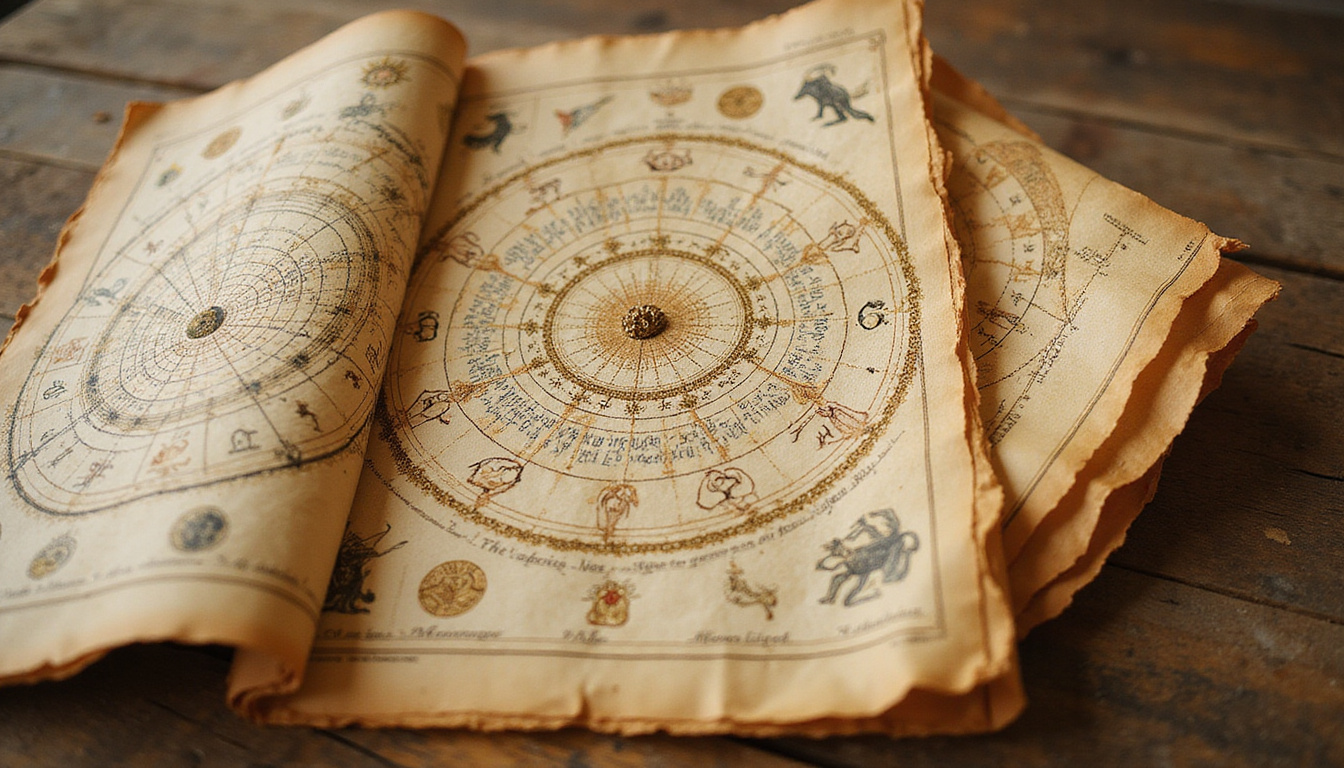
Composite Charts: The “Third Entity” of the Relationship
While synastry compares two individual charts, a composite chart merges them into one. It’s built by taking the midpoint between each person’s planetary positions.
Astrologers use composite charts to understand:
- The overall identity or “soul” of the relationship
- The couple’s shared purpose and themes
- How the relationship feels from the inside, over time
For example:
- A composite Sun in the 10th house → The relationship is public-facing, focused on career, reputation, or shared goals.
- Composite Moon in the 4th → Emphasis on home, family, and emotional security.
- A heavily 7th or 8th house composite chart → Deep focus on partnership, intimacy, and shared resources.
Transits to the composite chart can also highlight important phases such as moving in together, getting engaged, or redefining the relationship.
Emotional Compatibility: Reading the Moon and Water Energy
Deep connection hinges on emotional understanding. In relationship astrology, this is especially visible through:
- Moon sign compatibility
- Aspects between each other’s Moon and personal planets
- Emphasis on water signs (Cancer, Scorpio, Pisces)
Some patterns to watch:
-
Moon–Moon harmony (same element, trine, sextile)
→ You instinctively understand each other’s moods and needs. -
Moon–Venus aspects
→ Emotional tenderness and romantic affection blend smoothly. -
Moon–Uranus/Pluto aspects
→ Intense, transformative emotions; can be exciting but destabilizing if not handled consciously.
Emotional compatibility doesn’t require identical Moon signs, but it does require mutual respect for each person’s natural rhythm and sensitivity.
Relationship Astrology and Communication Skills
Astrology can point out where communication will be easy and where misunderstandings are likely.
Key indicators:
- Mercury sign and house: Your communication style and focus.
- Mercury aspects:
- Mercury–Venus → Tactful, affectionate conversations.
- Mercury–Mars → Debates, quick minds, sometimes arguments.
- Mercury–Saturn → Serious tone, depth; can feel critical if unconscious.
In practice, this means:
- If one person has fiery Mercury (Aries, Leo, Sagittarius) and the other has earthy Mercury (Taurus, Virgo, Capricorn), disagreements may revolve around speed, directness, and practicality.
- Air Mercuries (Gemini, Libra, Aquarius) generally like lots of discussion and mental play, while water Mercuries (Cancer, Scorpio, Pisces) lean toward intuitive, emotional communication.
When you know these patterns, you can tailor how you speak and listen, rather than assuming your way is “normal.”
Using Relationship Astrology Responsibly
Like any psychological tool, relationship astrology can be used constructively or destructively. To get the most from it:
Do:
- Use it for self-knowledge and empathy.
- See challenging aspects as areas for growth, not doom.
- Respect each person’s free will and evolving choices.
- Combine astrology with real communication, boundaries, and personal work.
Avoid:
- Staying in harmful situations because a chart “looks good.”
- Ending something prematurely because a transit “looks bad.”
- Using someone’s chart to stereotype, control, or invade privacy.
- Treating astrology as a substitute for therapy or professional help when needed.
Major organizations like the American Psychological Association emphasize the importance of evidence-based tools and cautions against overreliance on any single explanatory framework for relationships (source: APA). Astrology is best used as a reflective lens in combination with self-awareness and relational skills, not in place of them.
Practical Steps to Explore Your Relationship Astrology
If you want to apply these ideas to your own relationship:
-
Get accurate birth data
- Date, place, and exact time if possible for both people.
- Even a 10–15 minute error can shift the Ascendant and houses.
-
Generate your charts
- Use a reputable astrology site or software to:
- Create both natal charts
- Generate a synastry chart
- Create a composite chart
- Use a reputable astrology site or software to:
-
Start with the basics
- Compare Sun, Moon, Rising, Venus, Mars, and Mercury.
- Look for major aspects (conjunction, trine, sextile, square, opposition) within a tight orb.
-
Note key themes, not every detail
- Which signs or elements dominate?
- Where do you see repeated patterns (e.g., lots of Saturn aspects, strong 7th/8th house placements)?
-
Reflect and discuss together
- Use the insights as conversation starters:
- “This suggests we process emotions differently—does that feel true?”
- “This aspect hints we might approach commitment in different ways; how do you experience that?”
- Use the insights as conversation starters:
Approach this as an ongoing exploration rather than a one-time verdict.
Quick Reference: Relationship Astrology Factors to Watch
- Sun, Moon, Ascendant connections → Core compatibility and vibe
- Venus–Mars contacts → Attraction and passion style
- Mercury aspects → Communication patterns
- Saturn contacts → Commitment, longevity, or heaviness
- Node contacts → “Fated” feelings and growth themes
- Composite chart → Shared purpose and relationship identity
FAQ: Common Questions About Relationship Astrology
Q1: How accurate is relationship astrology for predicting long-term compatibility?
Relationship astrology is best at describing dynamics, not guaranteeing outcomes. It shows likely patterns in attraction, communication, and emotional needs. Long-term compatibility depends on how both people work with those patterns—through self-awareness, boundaries, and shared values—rather than on charts alone.
Q2: Can relationship astrology explain why I’m always drawn to the same type of partner?
Yes. Your birth chart can reveal recurring themes—such as strong Pluto, Neptune, or Saturn contacts—that might draw you toward intense, idealized, or challenging relationships. Studying your personal synastry patterns helps you recognize unconscious attractions so you can choose more consciously in future connections.
Q3: Is it better to look at synastry or composite charts for love compatibility?
They serve different purposes. Synastry shows how you as individuals interact: where you trigger, support, or attract each other. The composite chart describes the relationship itself as a joint entity—its mood, purpose, and life cycle. For a full view of love compatibility, it’s ideal to use both together.
Turn Insight into Deeper Connection
Relationship astrology can illuminate the hidden currents running through your love life—why some connections feel effortless while others are intensely challenging. But its real power lies in what you do with that insight.
Instead of letting fear or wishful thinking guide your choices, you can use the language of the charts to:
- Name your needs clearly
- Understand your partner’s inner world with more compassion
- Work consciously with your relationship’s strengths and stress points
If you’re ready to go beyond generic horoscopes and explore your relationship at a deeper level, start by pulling your synastry and composite charts and reflecting on the patterns you see. Consider booking a session with a qualified astrologer or using a trusted platform that specializes in relationship astrology interpretations to get personalized guidance. The more you understand your cosmic blueprint together, the more intentionally you can build the love story you truly want.
Relationships involve psychology, emotions, and belief systems. Discover thoughtful articles on spirituality and human consciousness at SpiritualMindScience.com